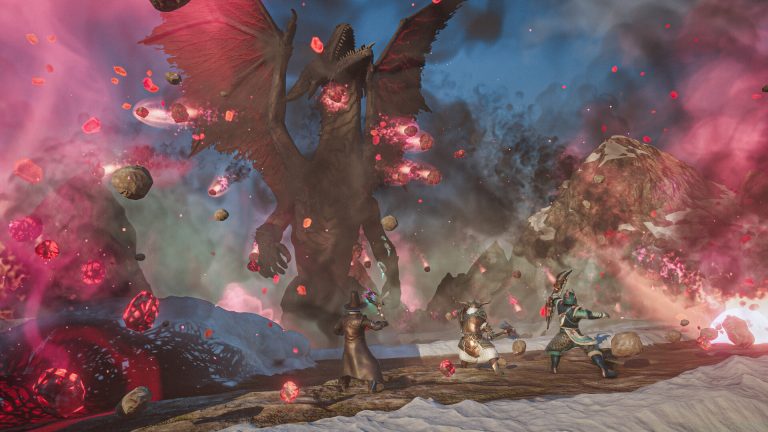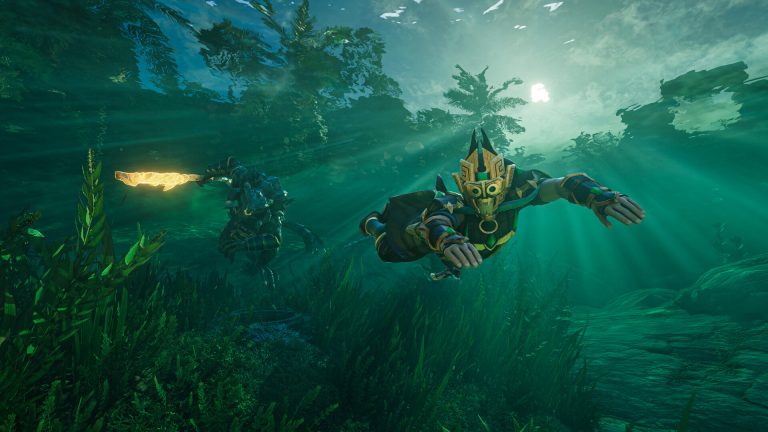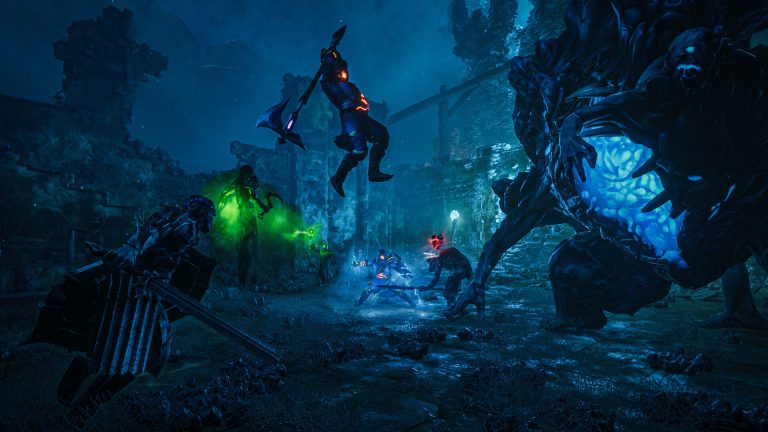
Armor in Enshrouded works differently from most survival RPGs, and understanding that difference is the single biggest upgrade you can make to your character. There are no full-set bonuses in Enshrouded. Wearing all five matching pieces of a named set grants nothing extra, which means the “best armor” is almost never a complete set. It’s a hand-picked combination of slots chosen for the exact stats your build needs. This guide breaks down how armor is structured, which sets appear at each stage of the map, who crafts them, and how to balance defense against build-defining bonuses.
How armor works in Enshrouded
Every character has five armor slots: Head, Upper Body, Arm, Lower Body, and Foot. Each piece contributes two defensive values, Physical Armor and Magical Armor, plus a set of secondary bonuses such as health, stamina, mana, regeneration, critical strike chance, weapon-type damage boosts, and various resistances. Pieces also carry a level requirement, so progression is gated by your character level as much as by where you explore.
Armor is organized into three thematic families that map to playstyles: melee armor (crafted by the Blacksmith or Blacksmith Assistant), magic armor (crafted by the Alchemist or Alchemist Assistant), and ranged armor (crafted by the Hunter or Hunter Assistant). Melee sets lean into health and melee damage, magic sets favor magical resistance plus mana and spell bonuses, and ranged sets offer balanced resistance with bow- and dagger-friendly perks, including some stealth-oriented options. Some sets can also be found in chests rather than crafted. There is no durability system to manage and no weight or encumbrance penalty, so the only “cost” of a piece is the slot it occupies.
Why you should mix and match, not chase full sets
Because completing a set gives no reward, the smart approach is to treat each slot independently and equip whatever piece delivers the stats your build actually uses. Different slots tend to specialize: head and arm pieces often carry weapon-damage and critical-chance bonuses, chest and leg pieces hold the bigger health, stamina, or mana pools, and boots commonly provide regeneration. A mage who never swings a sword has no reason to wear a melee chest for its raw health if a magic chest gives mana plus magical resistance that keeps them alive against Shroud enemies.
You can freely combine pieces across the melee, magic, and ranged families. A common late-game pattern is to take a high-defense chest and legs from one set for survivability, then layer head, arms, and boots from sets that boost your weapon type and crit. Pair this with your point allocation in the Enshrouded skill tree and the weapon you’re committing to (see our Enshrouded best weapons guide) so that armor bonuses, skills, and gear all push the same direction.
Armor sets by progression (biome tiers)
Enshrouded gates armor progression behind biomes, which you unlock roughly in the order you push deeper into the map and raise your Flame level. The table below lists the named sets the official wiki groups under each region, split by playstyle. Use it as a milestone checklist: when you reach a new biome, expect new craftable sets with higher level requirements and stronger bonuses than the last tier.
| Biome (progression) | Melee (Blacksmith) | Magic (Alchemist) | Ranged (Hunter) |
|---|---|---|---|
| Springlands (start) | Rising Fighter, Adventurer, Tank, Warrior | Alchemist Apprentice, Mage | Scout |
| Revelwood | Guard of the North, Guardian, Mercenary, Blackguard | Healer, Wizard | Marksman, Ranger, Archer |
| Nomad Highlands | Knight, Rogue, Warden, Soldier | Omen, Magician | Plaguebringer, Sharpshooter |
| Kindlewastes | Gloom Monarch, Elite Hollow, Radiant Paladin | Herbalist, Mystic | Hunter, Fowler |
| Albaneve Summits | Brazen Bull, Mountain’s Shadow, Wolf’s Fang | Archmage, Sage, Warlock, Spellbreaker, Elder | Deadeye, Assassin, Deerstalker, Hawk, Eagle Eye |
| Veilwater Basin (late) | Golden Bulwark, Sunpiercer | Thaumaturge, Hailcaster, Pearlfrost Mentor, Tidecaller, Waveborne Ritualist | Alpine Antler, Trailblazer, Frostbite Slasher, Skull Stalker, Quetzal Hunter, Bloodfeather |
To know when each biome opens up and what gating you’ll hit on the way, our map and biomes guide and the Shroud and Flame progression breakdown are useful companions to this list.
Choosing armor for your build
Melee / tank builds
Prioritize the high-health, high-physical-armor chest and leg pieces from melee sets, and look for arm and head pieces that boost your melee weapon’s damage and critical chance. Early on, Springlands sets like Tank and Warrior carry you; deeper in, melee lines from Albaneve and Veilwater (such as Mountain’s Shadow and Golden Bulwark) raise your defensive ceiling. Because Enshrouded won’t penalize you with weight, there’s no downside to favoring the heaviest-defense pieces if you’re tanking hits.
Magic / caster builds
Magic sets are built around magical resistance plus mana and mana regeneration, with some sets specializing toward healing and others toward spell damage. A caster wants mana pool and regen on the body slots and staff/wand damage and crit on the smaller slots. Don’t ignore the magical-armor value: it’s your main defense against Shroud and caster enemies. Late sets like Tidecaller and Archmage are the payoff for pushing into the final biomes.
Ranged / stealth builds
Ranged armor offers balanced resistance and perks tuned for bows and, in some sets, daggers and stealth. Stack stamina and ranged-damage/crit bonuses, since stamina fuels bow draws and dodges. Scout and the Revelwood ranged sets get you started; Skull Stalker, Quetzal Hunter, and Bloodfeather are end-tier options. Many players mix a defensive chest from another family with ranged head and arm pieces to survive while keeping their damage perks.
Crafting, upgrading, and cosmetics
You unlock most armor recipes by rescuing and leveling the three core artisans (Blacksmith, Alchemist, Hunter) and supplying the materials each set requires. Keeping those crafters housed and supplied is part of base management, which our base building guide covers, and gathering the resources ties into your farming and food loop. Separately, cosmetic armor (crafted by the Bard and earned from quests and events) only changes appearance and provides no resistances, so you can look the part without sacrificing stats.
Frequently asked questions
Do full armor sets give a set bonus in Enshrouded?
No. There is no bonus for wearing all five pieces of a matching set. The best loadout is almost always a mix of pieces chosen for the individual stats your build needs.
Can I mix melee, magic, and ranged armor pieces?
Yes. Each of the five slots is independent, so you can wear, for example, a defensive melee chest with magic gloves and ranged boots. Combine pieces to hit the health, mana, stamina, and damage profile your weapon and skills want.
Where do I get better armor as I progress?
New, higher-level sets become available as you reach new biomes and supply your Blacksmith, Alchemist, and Hunter with materials. Some sets are also found in chests. Pushing deeper into the map (Albaneve Summits, Veilwater Basin) unlocks the strongest gear, and tougher bosses gate that journey, which our bosses guide helps you clear.
Gear theorycrafting is a lot more fun when your whole group is min-maxing together, comparing mixed loadouts in real time. If you want a persistent world that stays online for the crew, running a dedicated Enshrouded server with friends keeps everyone’s progression and bases in one place. For setup, mods, and configuration walkthroughs, see the Enshrouded server documentation.
Ready to play?
Run your own Enshrouded server with XGamingServer
Spin up an always-on Enshrouded server your friends can join in minutes — no port-forwarding, no tech headaches.