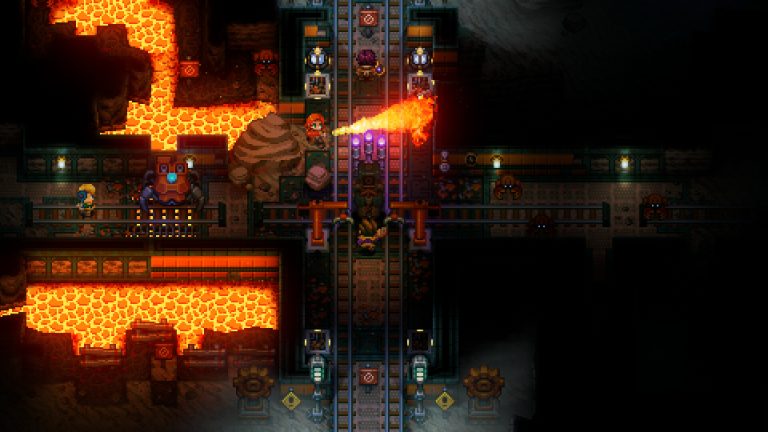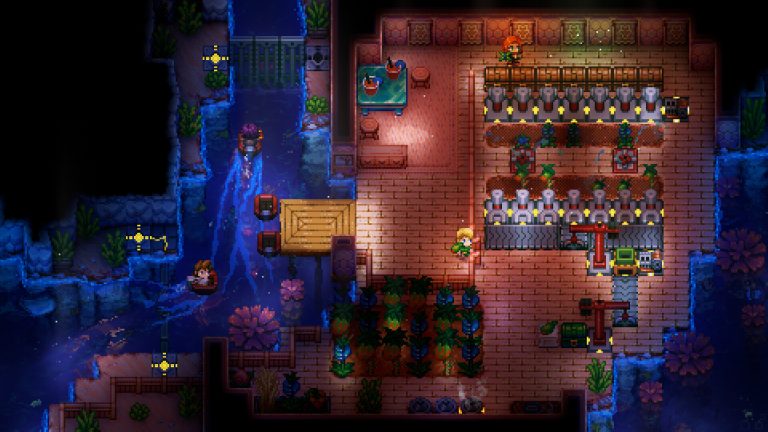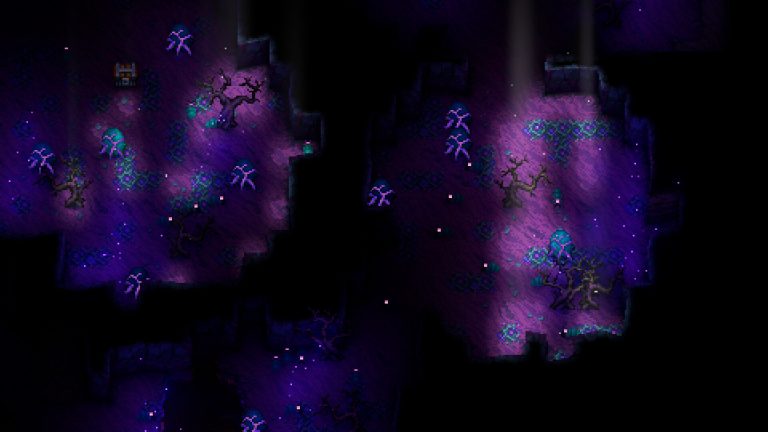
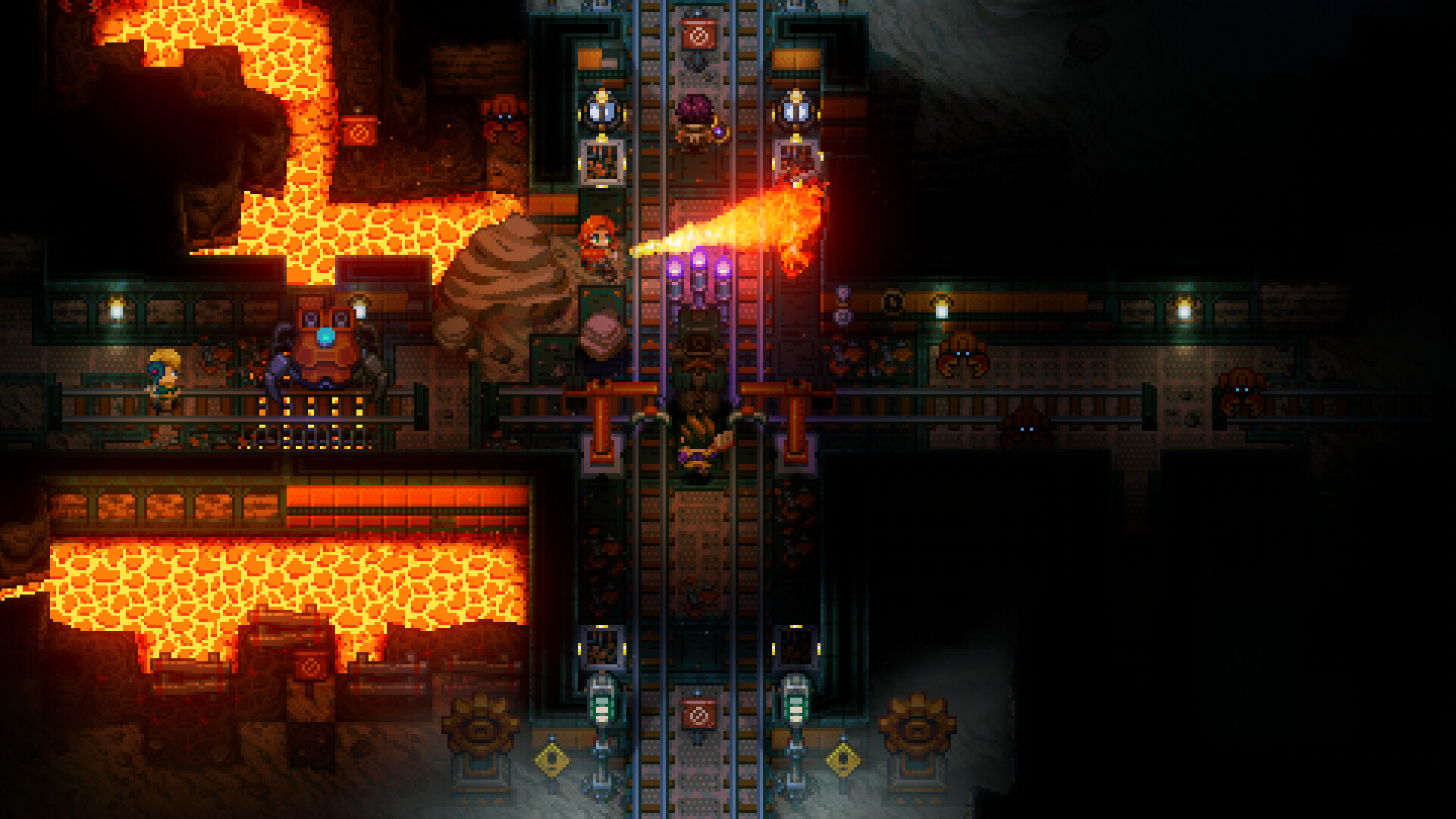
Core Keeper’s bosses are the spine of its progression. You don’t just fight them for loot you fight them because each major kill literally unlocks the next layer of the map. This guide walks through every boss in the order you’ll naturally meet them, where to find or summon each one, how to beat them, and what they drop. Where the wiki doesn’t confirm an exact number we describe things qualitatively rather than guess.
How Core Keeper boss progression works
The early game revolves around three “relic” bosses. Defeating Glurch the Abominous Mass, Ghorm the Devourer and Malugaz the Corrupted drops the Glurch Eye, Ghorm’s Horn and the Stolen Crystal Heart respectively. Each relic is placed in its matching statue around The Core (Glurch above it, Ghorm to the left, Malugaz to the right). Once all three statues are powered, the paths to The Core light up and you can finally interact with The Core itself to advance the story. If you’re still figuring out the broader sequence of mining, gearing and crafting between these fights, our Core Keeper progression guide covers what to do and in what order.
After The Core is powered, the mid-to-late game opens up around the six titan bosses. Each titan you defeat lets you collect a Soul (Soul of Azeos, Soul of Omoroth, and so on) a permanent ability required for progression. Alongside these are several optional bosses like the Hive Mother, Igneous and King Slime that aren’t mandatory but drop excellent gear.
The three early relic bosses
Glurch the Abominous Mass
Glurch is the intended first boss, a giant slime found in the Undergrounds roughly 65 tiles from The Core in an area smothered with slime. You’ll know you’re close: a loud thumping plays and the screen shakes when Glurch is near. He’s a melee bruiser that bounces toward you, so kite in a wide circle and punish the gaps between his lunges. Defeating him drops the Glurch Eye (your first progression relic) plus a nearby Glurch Chest of mostly random loot. Once killed, you can re-summon him by placing a Giant Slime Summoning Idol on the rune below his original spawn.
Ghorm the Devourer
Ghorm is a giant larva that endlessly circles the map, roaming through the Clay Caves and Forgotten Ruins at a distance of about 190–210 tiles from The Core. The Ghorm the Devourer Scanner tracks his path. He ignores you until he drops to 80% health, then enrages, circles, and leaves a trail of ground slime behind him. Two reliable approaches: lay down a wall of Spike Traps along his path (the wiki notes roughly 50–150 traps can do the job), or shoot projectiles as he approaches and dodge-strafe once he turns aggressive. Ranger armor is great here since it lets shots pierce multiple body segments, and Yellow Blister Head food stops the slime from slowing you. He drops Ghorm’s Horn, plus a chest that always includes the Ghorm’s Stomach Bag and a Mysterious Idol (which summons the Cloaked Merchant).
Malugaz the Corrupted
Malugaz is found in the Forgotten Ruins inside his own dungeon, and you summon him by placing the Malugaz Summoning Idol (renamed from “Skull of the Corrupted Shaman” in a later update) on the rune at the center of his arena. He’s a caster-style fight, so bring mobility and ranged options. Beating him drops the Stolen Crystal Heart, the third relic needed to power The Core.
The six titan bosses (the Souls)
Once The Core is online, the titans become the main questline. The six are Azeos the Sky Titan, Omoroth the Sea Titan, Ra-Akar the Sand Titan, Druidra the Wild Titan, Crydra the Ice Titan and Pyrdra the Fire Titan. Azeos lives in Azeos’ Wilderness, summoned by placing a Large Shiny Glimmering Object in his feather-and-bone arena about 550 tiles out. Omoroth is summoned by fishing with an Expert Lure in one of the whirlpools in his Sunken Sea arena (~650 tiles out) good gear bridges nicely from our Core Keeper fishing guide. Ra-Akar is summoned with a Thumper in the Desert of Beginnings (~600 tiles out). Each titan grants its Soul on defeat, which is required to keep progressing.
Optional and late-game bosses
Several bosses sit off the critical path but reward you handsomely. The Hive Mother waits at the heart of an extra-large Larva Hive in the Clay Caves, about 330 tiles from The Core (use the Hive Mother Scanner). She rains acid roughly every 4–5 seconds, creating ground acid slime that deals 12 acid damage per second, and periodically spawns Larva Hive Eggs. Clear the arena of veins and stray larva first, bring Green Blister Head food to negate acid, and place Spike Traps to thin the adds. Igneous the Molten Mass is an optional slime boss in the Molten Quarry sub-biome of the Desert of Beginnings. The Atlantean Worm roams the Sunken Sea in a Ghorm-like circular path and can be summoned with a Bait Pillar; in multiplayer it gains extra health that re-scales as players join or leave. King Slime is a Terraria crossover boss summoned with a Crown Summoning Idol on a slime rune, and Nimruza, Queen of the Burrowed Sands is another Desert boss. The Core Commander is the game’s final story boss, fought in the Desert of Beginnings.
| Boss | Biome / location | Summon or find | Role |
|---|---|---|---|
| Glurch the Abominous Mass | Undergrounds (~65 tiles) | Roams; re-summon via Giant Slime Idol | Relic (Glurch Eye) |
| Ghorm the Devourer | Clay Caves / Forgotten Ruins (~190–210 tiles) | Circles the map; track with Scanner | Relic (Ghorm’s Horn) |
| Malugaz the Corrupted | Forgotten Ruins dungeon | Malugaz Summoning Idol on rune | Relic (Stolen Crystal Heart) |
| The Hive Mother | Larva Hive, Clay Caves (~330 tiles) | Found at hive center | Optional |
| Azeos the Sky Titan | Azeos’ Wilderness (~550 tiles) | Large Shiny Glimmering Object | Titan / Soul |
| Omoroth the Sea Titan | Sunken Sea (~650 tiles) | Fish a whirlpool with Expert Lure | Titan / Soul |
| Ra-Akar the Sand Titan | Desert of Beginnings (~600 tiles) | Place a Thumper | Titan / Soul |
| Igneous the Molten Mass | Molten Quarry (Desert) | Found in sub-biome | Optional |
| Core Commander | Desert of Beginnings | Story arena | Final boss |
General boss strategy tips
A few habits carry across almost every fight. Clear the arena before you start adds, slime and obstacles cost you far more deaths than the boss itself. Bring both a ranged and a melee weapon so you can switch as a boss cycles between passive and enraged phases; pairing this with the right gear from our best weapons and builds guide makes a noticeable difference. Stack situational food: Blister Head dishes counter slime slowness and acid damage specifically, and you’ll want strong upgrade materials, which means keeping pace with our mining and ores guide and a steady food supply from the farming guide. Finally, Spike Traps trivialize the roaming bosses (Ghorm, Atlantean Worm) lay them along the patrol path and let the boss run itself to death.
Frequently asked questions
What is the boss order in Core Keeper?
Most players fight Glurch first, then Ghorm and Malugaz to gather the three relics that power The Core. After that you tackle the six titans (Azeos, Omoroth, Ra-Akar, Druidra, Crydra, Pyrdra) for their Souls, with the Core Commander as the final story boss. Optional bosses like the Hive Mother, Igneous, Atlantean Worm and King Slime can be done whenever you’re geared for them.
Can you re-fight bosses in Core Keeper?
Yes. Defeated bosses leave a rune below their original spawn, and placing the matching summoning idol (for example the Giant Slime Summoning Idol for Glurch, or the Malugaz Summoning Idol) brings them back so you can farm their loot again.
Do bosses get harder in multiplayer?
Some do. The Atlantean Worm, for instance, gains additional health based on how many players are in the world and re-scales automatically as players join or leave. Playing with friends still tends to make fights easier overall thanks to more damage and revives, so a shared world is a popular way to tackle the harder titans.
If you’d rather grind these bosses with friends on an always-on world, you can set up a Core Keeper server to play together without anyone needing to host from their own PC. For step-by-step setup and config details, see our Core Keeper server documentation.
Ready to play?
Run your own Core Keeper server with XGamingServer
Spin up an always-on Core Keeper server your friends can join in minutes — no port-forwarding, no tech headaches.