The 7 Days to Die character sheet looks intimidating at first glance: five attributes, dozens of perks, and a finite pool of skill points that you never seem to have enough of. The good news is that the system is far more readable once you understand how the pieces connect. Attributes act as gates, perks are the actual upgrades you spend points on, and crafting recipes now live in a completely separate progression track. This guide breaks down all five attributes, the key perks under each, how points are earned and spent, and a recommended early build that will carry you through the first couple of in-game weeks.
How attributes and skill points work
There are five core attributes in 7 Days to Die: Perception, Strength, Fortitude, Agility, and Intellect. Every character starts at level 1 in all five and earns one spendable skill point per character level. You choose freely whether to pour those points into raising an attribute or into the perks attached to it.
Each attribute maxes out at level 10, and the cost ramps up as you climb. Per the official wiki, levels 2 through 5 cost 1 skill point each, levels 6 through 8 cost 2 points each, and the final two levels cost 3 points each. That makes a single attribute expensive to fully max, so most players spread investment rather than rushing one tree to 10.
Why raise an attribute at all? Because most attribute-associated perks have a minimum attribute level before you can rank them up. In other words, the attribute is the key that unlocks deeper ranks of its perks. Each attribute has a set of perks, and those perks generally have five ranks each.
The five attributes and their key perks
Below is a breakdown of what each attribute governs and the standout perks beneath it, based on the perk lists from the official 7 Days to Die Wiki.
Perception
Perception is your sensory awareness, and it’s the home of ranged precision and exploration payoff. Combat perks include Dead Eye (rifles), Demolitions Expert, Spear Master, and Quick and Perceptive. On the utility side you’ll find The Infiltrator, Animal Tracker, The Penetrator, plus the scavenging-focused Treasure Hunter and Salvage Operations. If you like sniping and digging up buried supply caches, this is your tree.
Strength
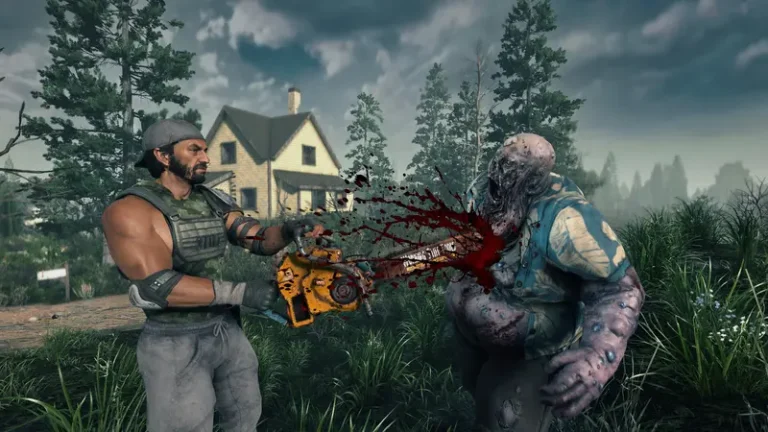
Strength is raw muscular might and it pulls double duty for melee and resource gathering. Combat perks include Boomstick (shotguns), Pummel Pete (clubs), Skull Crusher (sledgehammers), Grand Slam, and Big and Fast. Crucially, Strength also holds the mining perks: Miner 69’er, Mother Lode, and Junk Miner, alongside the inventory-expanding Pack Mule. It is one of the most popular early attributes because faster mining and more carry slots help every playstyle.
Fortitude
Fortitude measures physical resilience and survivability. Combat perks include The Brawler (fists/knuckles), Machine Gunner, and Lightning Hands. The recovery and survival perks are the real draw: Pain Tolerance, The Huntsman, Siphoning Strikes, Healing Factor, Iron Gut, and Rule 1: Cardio. Fortitude builds shrug off damage, eat questionable food, and run longer, making it a strong backbone for melee-heavy survivors.
Agility
Agility is athletic prowess, covering finesse weapons and mobility. Combat perks include Archery, Gunslinger (pistols), Deep Cuts (knives), and Whirlwind. Athletic perks such as Run and Gun, Hard Target, and Parkour improve movement, while stealth players will want Hidden Strike and From The Shadows. It’s the go-to attribute for sneaky, fast, light-weapon characters.
Intellect
Intellect is mental ability and it is arguably the most “civilization-building” tree. Combat perks include Electrocutioner (stun batons), Robotics Inventor, and Calculated Attack. The influence perks Better Barter, The Daring Adventurer, and Charismatic Nature reshape your economy, and the general perks Physician, Advanced Engineering, and Grease Monkey unlock medical, electrical, and vehicle benefits. Trader-focused and crafting-focused players lean heavily here.
Attribute reference table
| Attribute | Theme | Standout perks |
|---|---|---|
| Perception | Sensory awareness, ranged precision, scavenging | Dead Eye, Treasure Hunter, Salvage Operations, Demolitions Expert |
| Strength | Muscular might, melee, mining | Miner 69’er, Mother Lode, Pack Mule, Pummel Pete, Boomstick |
| Fortitude | Physical resilience, recovery, survival | Pain Tolerance, Healing Factor, Iron Gut, Rule 1: Cardio, The Huntsman |
| Agility | Athletic prowess, finesse weapons, stealth | Archery, Gunslinger, Deep Cuts, Hidden Strike, Parkour |
| Intellect | Mental ability, influence, engineering | Better Barter, Advanced Engineering, Grease Monkey, Physician |
Where Learn by Doing went: the magazine system
If you remember older builds of 7 Days to Die, you may recall earning crafting ability simply by performing actions, and later by finding and unlocking schematics. Those approaches are gone. As the wiki notes, the Learn by Reading mechanic introduced in Alpha 21 became the replacement for the previous Learn by Skills and Learn by Schematics functions, and it is the system that carries into 1.0.
The key distinction is this: perks no longer unlock crafting recipes. Crafting progression is now driven by reading Crafting Skill Magazines. Each magazine type maps to a crafting category, and reading them increases that skill, which in turn unlocks recipes and improves the quality tier you can craft (primitive, then iron, then steel). Magazines are found in mailboxes, bookshelves, newspaper boxes, and bookstores, bought from traders, or handed out as quest rewards.
Perks still matter for crafting indirectly. According to the wiki, each level of an associated perk increases the chance of a found magazine being of the related type by 200% per level, up to 1000%. So if you perk into clubs, you’ll naturally find more club-related magazines. Note the caveat the wiki raises: because most loot sources contain all magazine types, spreading perks across many trees can dilute your odds of finding any single magazine you’re chasing, and the bonus disappears once that skill is maxed.
Recommended early build
With only one point per level, focus matters early. A reliable, beginner-friendly opening is to lean into Strength for the first stretch:
- Pack Mule early — extra carry slots reduce trips home and pay off constantly.
- Miner 69’er and Mother Lode — faster mining and better resource yields fuel everything else you build.
- One reliable melee perk that matches your weapon, such as Pummel Pete (clubs) for cheap, durable damage.
- Dip a few points into Fortitude for Pain Tolerance and Healing Factor so blood moons and bad food don’t end your run.
Once your base and economy are stable, branch toward your preferred long-game identity: Intellect for trading, medicine, and vehicles; Agility for stealth and finesse weapons; or Perception for rifles and treasure runs. Because attribute levels 6 to 10 get expensive, it’s usually better to take several perks to a useful mid rank than to dump everything into maxing one attribute right away.
Frequently asked questions
How many skill points do I get per level?
You gain one spendable skill point every character level. You can spend it on raising an attribute or on a perk under one of the five attributes, as long as you meet that perk’s attribute level requirement.
Do perks still unlock crafting recipes?
No. In the current 1.0 system, crafting recipes and quality tiers are unlocked by reading Crafting Skill Magazines, not by spending perk points. Perks raise the chance of finding magazines of the matching type by up to 1000%, but the recipes themselves come from reading.
Can I respec my attributes and perks?
The game does offer ways to refund points, but the simplest advice for new players is to plan a focus and commit to it rather than spreading thin. Because high attribute levels cost two to three points each, scattered investment can leave you under-powered in every category at once.
Keep building your survivor
Your perk choices feed directly into the rest of your survival loop. Once you’ve picked a direction, pair it with the right gear in our 7 Days to Die Best Weapons: Tier List by Playstyle, lock in your crafting path with the Magazines Guide: Learn-by-Reading and Crafting Tiers, and make sure your defenses are ready with the Horde Base Guide: Designs to Survive Blood Moon. Perks and Intellect also shape your economy, which ties neatly into the Traders & Quests Guide.
Skill builds get a lot more fun when your friends are running complementary trees on the same map — a miner, a medic, and a stealth scout cover far more ground than a solo jack-of-all-trades. If you want a persistent world that stays online between sessions, you can spin up a 7 Days to Die server to play with friends, and the step-by-step 7 Days to Die server setup documentation walks you through configuration and admin options.
Related tools: the Crafting Recipes Browser and Items & Weapons Database show what each perk unlocks to craft.
Ready to play?
Run your own 7 Days to Die server with XGamingServer
Spin up an always-on 7 Days to Die server your friends can join in minutes — no port-forwarding, no tech headaches.