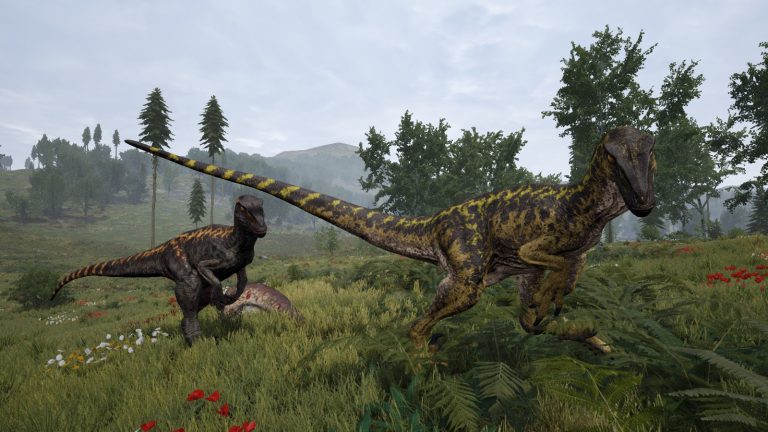
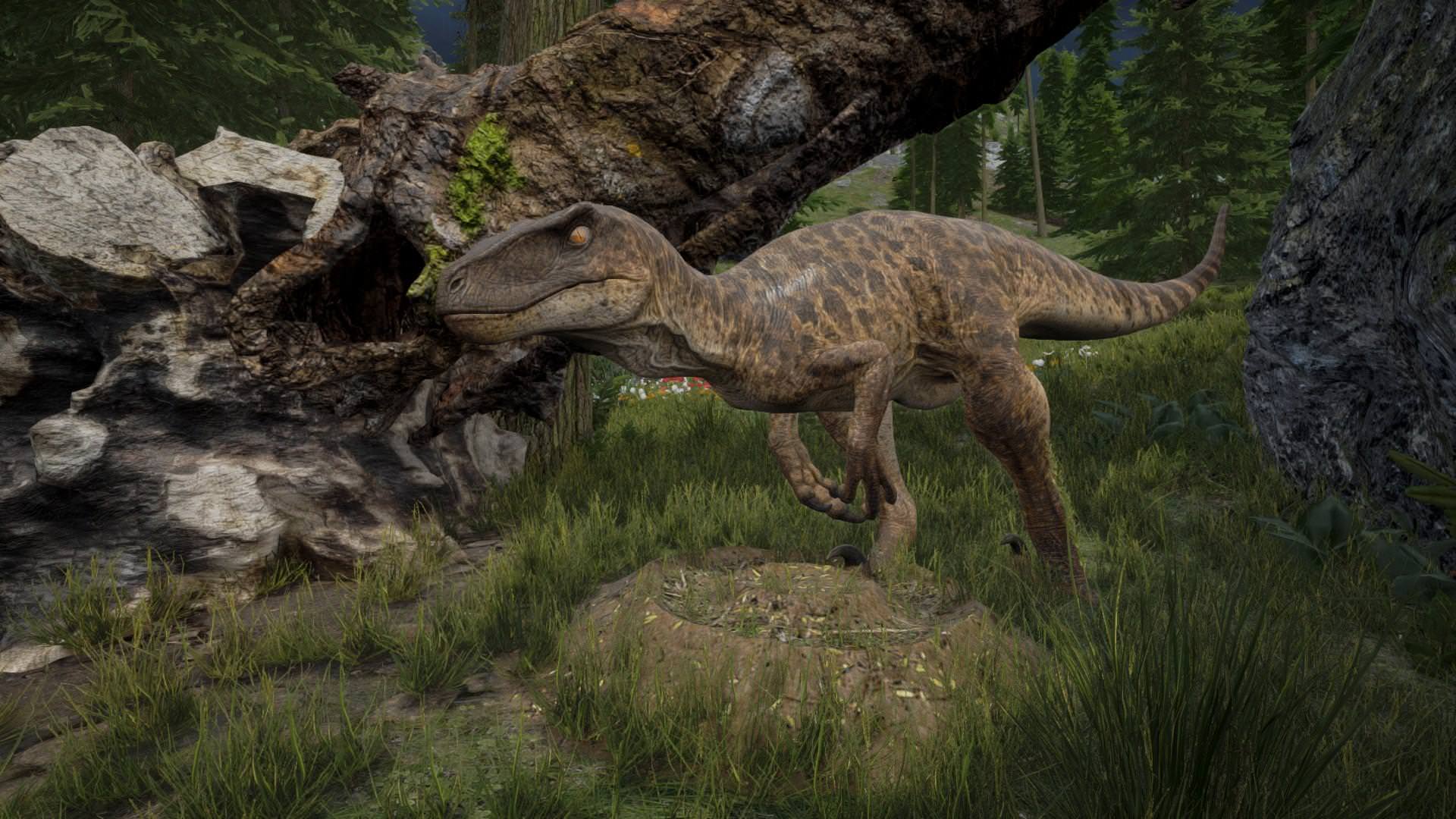
Calls are the voice of The Isle Evrima. Without text chat to lean on, your roars are how you find your pack, warn allies, scare off rivals, and tell a stranger whether you come in peace. New players often die because they misread a call or never learned that one of those number keys is literally how you form a group. This guide breaks down every vocalization in the current Evrima build, what each one actually does, and how to use calls to play socially without painting a target on your back.
The four calls and the F vocalization
Evrima uses a small, deliberate set of calls bound to the number keys, with a generic vocalization on F. Every playable dinosaur has its own unique audio for each slot, but the function of each key is consistent across species. The four core calls are Broadcast (1), Friendly (2), Threaten (3), and Help (4). Learning them is genuinely one of the highest-value things a new survivor can do.
| Key | Call | What it communicates |
|---|---|---|
| 1 | Broadcast | Loud, long-range “I’m here” — rally same-species players to your location |
| 2 | Friendly | “I’m not a threat” — greeting and the call used to form/accept groups |
| 3 | Threaten | Outward aggression — warn rivals off your kill, mate, or territory |
| 4 | Help / Distress | Alarm — warn allies of a predator or that you’re in trouble |
| F | Vocalization | Generic roar/idle sound; also plays a sound cue when you type in chat |
A few species have additional contextual sounds (footstep audio, eating noises, hatchling chirps), but the number-key calls above are the universal communication layer. Exact audio and behavior can shift between patches, so if something sounds different after an update, check the current Evrima changelog rather than assuming the bind changed.
The broadcast call (1): finding your kind
The broadcast is your long-range locator. It’s the loudest call in the game and is designed to attract same-species players toward you. When you broadcast, nearby dinosaurs of your species can hear it and home in, and the system is intended to briefly surface nametags of those same-species players so you can regroup without relying on Discord. In practice players describe the nametag reveal as a little inconsistent, so treat it as a “head this way” beacon rather than a precise tracker.
The trade-off is the whole point. A broadcast carries far, which means predators and rival groups hear it too. Spamming 1 across an open map is a great way to summon an ambush. Use it when you genuinely need to find your group and you’re reasonably safe — not as background noise. For more on staying hidden while you do it, our scent and smell system guide pairs naturally with call discipline.
The friendly call (2): how grouping actually works
This is the call most new players don’t realize is mechanical. The friendly call does double duty: tapped, it’s a “I mean no harm” greeting; held, it’s the group invite. To form a pack or herd in Evrima:
- Find another player of the exact same species — the game will not let you party with a different species.
- Get close, then use the 2 call to send a group invite.
- The other player receives a prompt and accepts by returning a 2 (friendly) call, or declines, often with a 3 (threaten) call.
- Once grouped, members share a party and can see each other on the HUD.
Many groups “2-call” repeatedly when they meet a stranger of their species — it’s the universal handshake to read intent before committing. Because grouping is locked to same-species, true mixed-species packs aren’t a sanctioned mechanic; the full rules and the gray areas around it are covered in our grouping and mixpacking rules guide. Group size caps vary by animal — social species like Troodon, Dryosaurus, and Beipiaosaurus support large numbers, while apex and aquatic species are capped low (Deinosuchus pairs, Carnotaurus small trios). Server admins can also adjust some of these limits in their config.
The threaten call (3): territory and intimidation
The threaten call is raw aggression. It’s how you tell another dinosaur to back off your kill, your nest, your mate, or your patch of riverbank. Carnivores use it to claim a carcass; herbivores use it to stand their ground against a circling predator. It’s also the standard way to decline a group invite. Throwing a 3 won’t get friendly responses — it escalates tension and frequently precedes a fight, so use it when you mean it. If a confrontation is brewing, the mechanics in our injuries and broken bones guide explain what’s actually at stake when teeth meet bone.
The help / distress call (4): the alarm
The help call is your alarm bell. Social herbivores use it to alert the herd that a predator has been spotted, and any animal can use it to signal it’s in trouble and rapidly warn allies. In a well-coordinated herd, one survivor spotting an apex and hitting 4 can save the whole group. Like the broadcast, it’s loud — so it’s a tool for emergencies and warnings, not casual chatter. Pair distress awareness with good positioning and the apex roster knowledge in our best apex dinosaurs guide so you know what you’re actually warning about.
Reading calls and using them well
- Listen before you answer. Friendly vs. threaten is the difference between a peaceful meetup and an instant brawl. Identify the call before reacting.
- Don’t over-broadcast. Every loud call advertises your position to predators. Call with purpose.
- Use the friendly call to vet strangers. A returned 2 usually means cooperation; a 3 means leave.
- Have a herd protocol. Agree that 4 = scatter/regroup so the alarm means something.
- Voice chat is great, but calls still matter — broadcasts are what keep you visually linked in-game even when you’re coordinating externally.
If you’re brand new, run through the basics in our first-life survival guide before worrying about advanced group play. And if you’re setting up a server where your community can actually practice all this, a low-latency host makes calls and grouping feel responsive — you can spin up your own The Isle Evrima realm in minutes, then tune playable species and group limits using our The Isle server setup docs.
Frequently asked questions
How do I make a group in The Isle Evrima?
Find a player of the same species, get close, and use the friendly call (2) to send an invite. They accept by returning a friendly call, or decline (often with a threaten call). Grouping is restricted to your own species — you can’t party with a different dinosaur.
What’s the difference between the broadcast call and the friendly call?
The broadcast (1) is a loud, long-range “I’m here” used to attract same-species players to your location. The friendly (2) is a short-range, non-threatening greeting and is the call used to form and accept groups. Broadcast finds your kind; friendly tells them you’re safe.
Do calls give away my position to predators?
Yes. Broadcast and help calls especially carry a long way, and predators can hear them. That risk is intentional — it balances the safety of grouping against the danger of being heard. Use loud calls deliberately, not constantly.
Free The Isle Tools
Speed up your server with our free The Isle tools:
Ready to play?
Run your own The Isle Evrima server with XGamingServer
Spin up an always-on The Isle Evrima server your friends can join in minutes — no port-forwarding, no tech headaches.