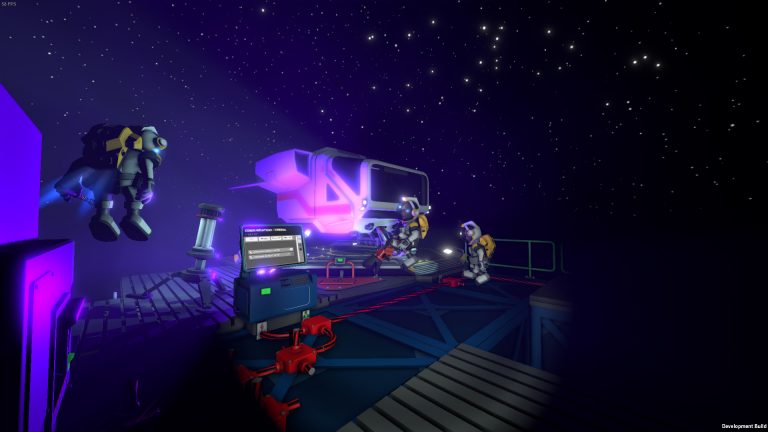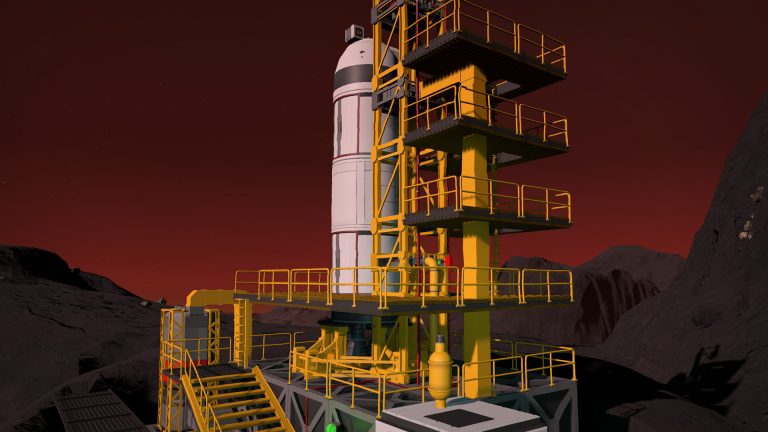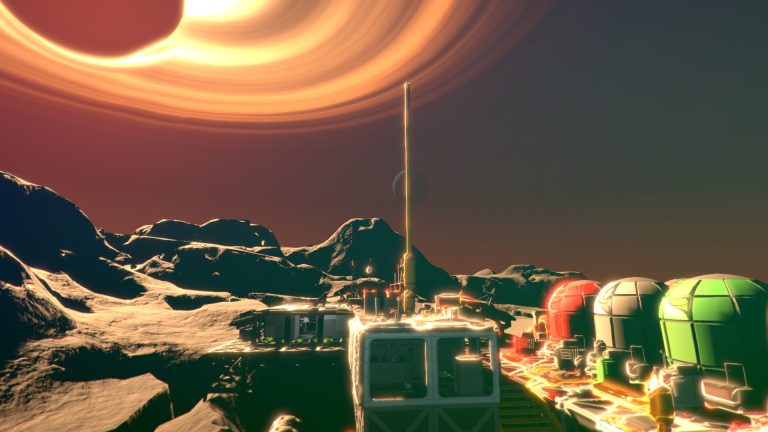
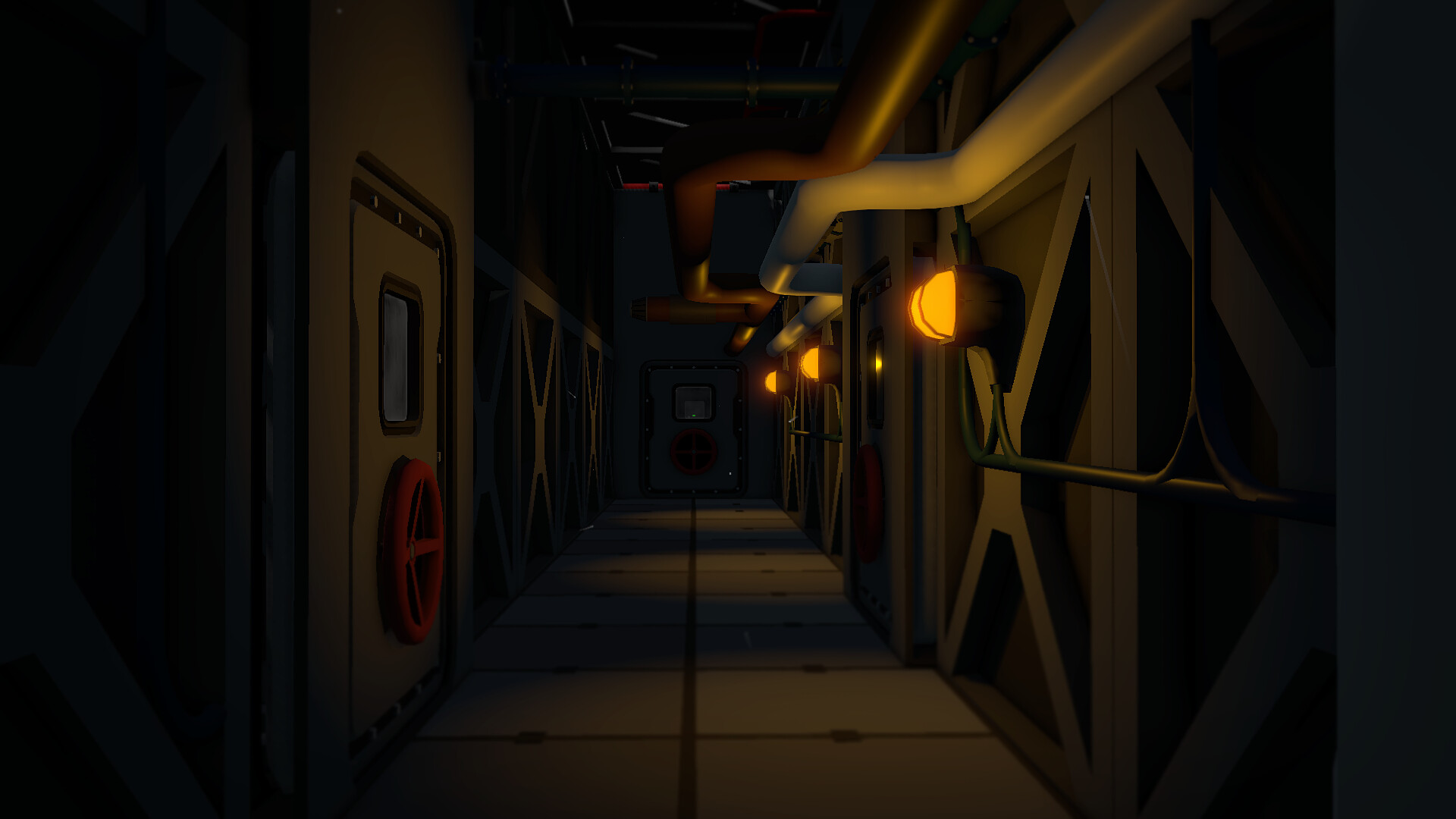
The world you choose in Stationeers completely changes the early game — your atmosphere, temperature swings, available gases, solar power and gravity all depend on it. This guide compares every world and gives a clear recommendation for where to start and what each one teaches you.
Stationeers worlds compared
| World | Difficulty | Atmosphere | Main challenge |
|---|---|---|---|
| Mars | Beginner | Thin CO₂ | Cold + dust storms; filterable air |
| Moon | Beginner+ | None (vacuum) | Make every gas yourself; temp swings |
| Europa | Advanced | Cold, breathable-ish | Extreme cold; weak solar, drains batteries |
| Vulcan | Advanced | Hot volatiles | Cooling; autoignition-temp atmosphere |
| Venus | Veteran | Hot, corrosive, high-pressure | Heat + pressure + corrosion combined |
| Mimas / Orbit | Advanced | Vacuum | Low gravity / no terrain to mine |
Mars — the recommended starter
Mars is the classic beginner world. It has a thin CO₂ atmosphere you can filter for resources, a manageable day/night cycle for solar power, and the materials you need to bootstrap. The cold and occasional dust storms keep it interesting without being brutal. If it’s your first station, start here — it teaches atmospherics and power without overwhelming you.
The Moon — simple but airless
The Moon (Lunar) has no atmosphere at all and large temperature swings between day and night, with low gravity. Vacuum makes some atmospherics simpler (there’s nothing outside to filter in) but means you must produce or import every gas yourself. A good second world once you understand pressure and sealing.
Vulcan — hot and resource-rich
Vulcan is volcanic and hot, with a wispy but extremely hot atmosphere full of volatiles above their autoignition temperature. Here cooling becomes the central challenge instead of heating, and the atmosphere is both a hazard and a valuable resource you can harvest. A clear step up in difficulty.
Europa — cold and dark
Europa has a substantial, reliably cold atmosphere far from the sun — solar power is weak and any battery exposed to it gradually loses charge, so constant heating and careful power are a must. An advanced world that punishes poor insulation.
Venus — for veterans only
Venus combines extreme heat, crushing pressure and a corrosive atmosphere (with no surface ice). It’s the hardest mainstream world — only attempt it once you’ve mastered atmospherics, cooling and pressure management.
Frequently asked questions
What’s the best world to start on in Stationeers?
Mars. Its thin CO₂ atmosphere is filterable for resources, the day/night cycle supports solar power, and the cold and dust storms add challenge without being lethal. The Moon is the usual second world — vacuum forces you to make every gas, which deepens your atmospherics skills.
Which Stationeers world is the hardest?
Venus — extreme heat, crushing pressure and a corrosive atmosphere all at once, with no surface ice. Vulcan (autoignition-hot volatiles) and Europa (deep cold that drains batteries) are the other advanced worlds. Master atmospherics, cooling and pressure on Mars and the Moon first.
Can I change the world on my server?
Yes — you set the world in default.ini (see the settings guide). On a managed host you pick it at deploy. Changing world starts a fresh save, so decide before you’ve built a station you want to keep.
Want a server ready on any world in 60 seconds? Stationeers hosting from $8.50/month — 30% off with code XGAMEON.
Ready to play?
Run your own Stationeers server with XGamingServer
Spin up an always-on Stationeers server your friends can join in minutes — no port-forwarding, no tech headaches.