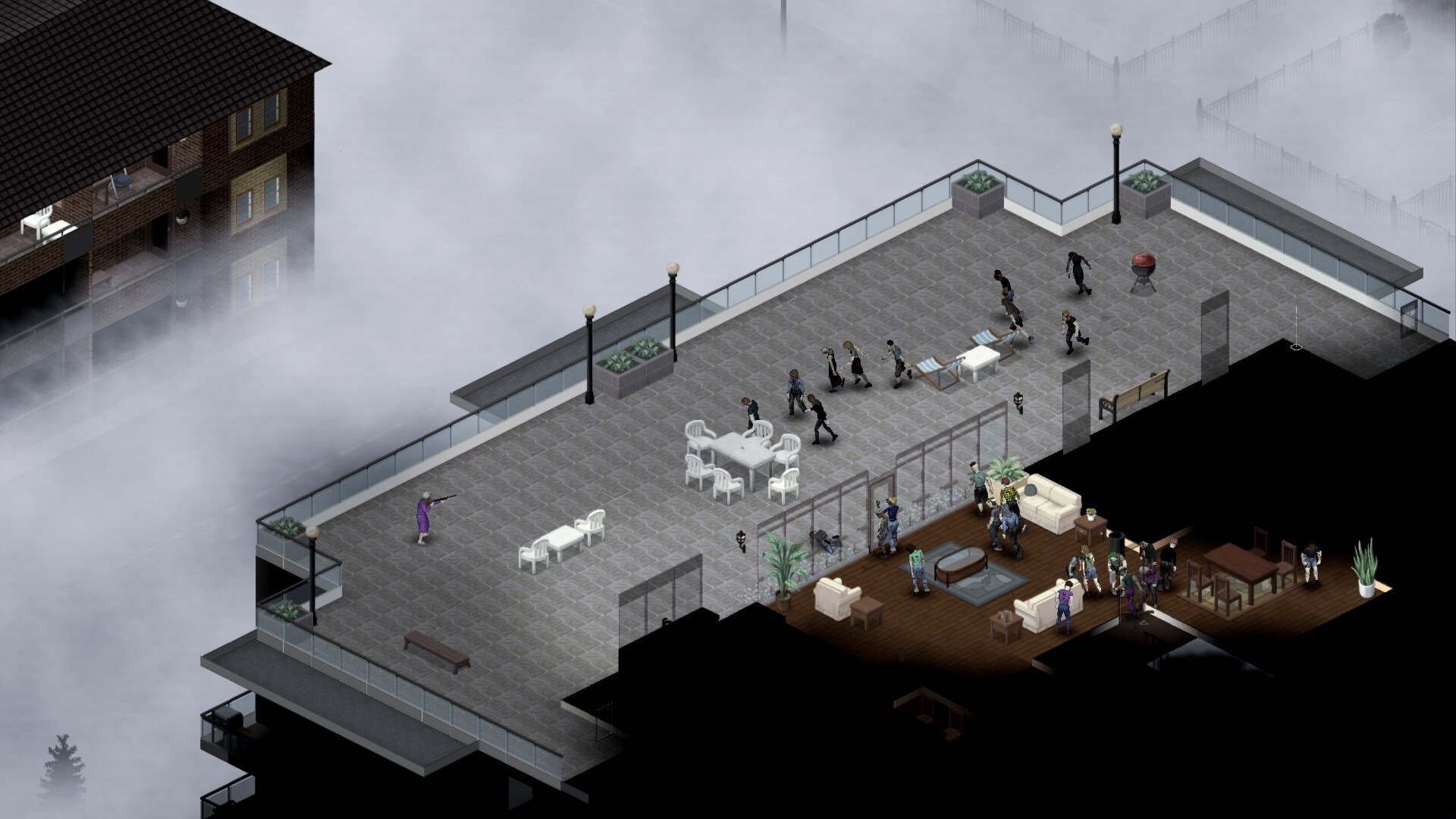
Surviving the Knox Event is not just about avoiding zombies, it is about not starving while you do it. Project Zomboid models food in surprising depth: a hunger meter, a separate nutrition system, happiness and boredom from what you eat, and a spoilage clock that turns your hard-won loot into rotten sludge. This guide covers the Cooking skill, evolved recipes, the nutrition mechanic, and every reliable way to keep food edible. Mechanics below are verified against the official PZwiki and reflect the current stable game; where a feature is specific to the Build 42 (unstable beta) crafting expansion, it is flagged.
The Cooking skill: what it actually does
Cooking is a crafting skill that lets you get the most out of food used as ingredients. Per the wiki, each level of Cooking increases the nutrition each ingredient provides and reduces the amount of ingredient consumed, so a fresh potato can be used more than once in a recipe before it is fully spent. The skill also unlocks safer use of marginal ingredients: at level 7 you can safely use small amounts of rotten food in recipes. Higher levels also shave a tiny amount of time off adding ingredients (the wiki lists roughly 0.05 seconds per level, which is negligible).
You gain Cooking experience by cooking food on a heat source, by crafting cooking recipes, and by adding ingredients to evolved recipes. The five Cooking skill magazines (Cooking Vol. 1 through Vol. 5) act as XP multipliers for specific level bands rather than unlocking content. If you want a deeper breakdown of how XP, books and multipliers stack across every skill, see our Project Zomboid Skills & Leveling Guide.
Evolved recipes: soup, stew, salad and sandwiches
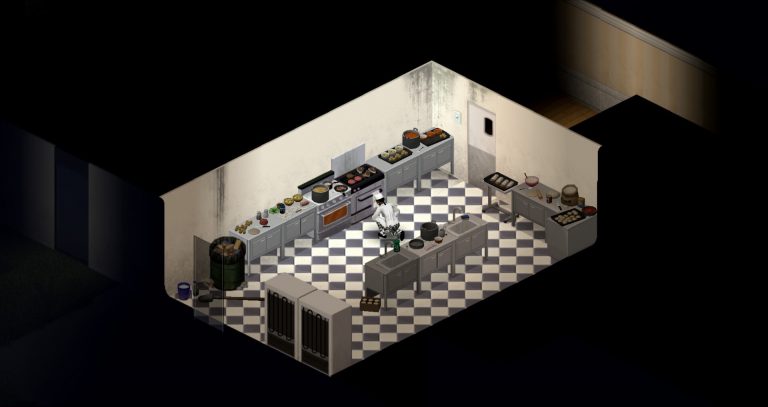
Evolved recipes are the heart of cooking. They let you combine ingredients into a custom dish, and the wiki confirms soup and stew each accept a maximum of 6 ingredients plus spices. Salad also takes up to 6 ingredients and spices, requires no cooking (though individual ingredients might), and is a lighter-encumbrance option. The hunger reduction each ingredient grants depends on both the ingredient and the recipe: a potato gives 15 hunger reduction in soup while cabbage gives 10, and beef jerky gives 15 to a stew but only 5 to a sandwich. Hover over an ingredient and the game shows the exact value it will add.
Stew is the meat-heavy recipe: it accepts bacon, ground beef, steak, sausage, canned chili, canned tuna, gravy and more that soup cannot use. Cooking raw meat first (bacon, chicken, fish fillet, pork chop, rabbit, salmon and others) lets you add it to salads or sandwiches where it would otherwise be unusable raw. Crucially, soup and stew should be cooked to gain full hunger reduction and to make any raw ingredients safe.
Happiness, boredom and spices
Food does more than fill your stomach. Boredom appears when your character is inactive indoors and serves mainly as a warning sign for Unhappiness, which makes every timed action (equipping weapons, transferring items, crafting, construction) take longer. The wiki notes unhappiness is reduced by reading literature, by sweets, soups and certain fruits like strawberries, by alcohol, or by antidepressants.
Evolved recipes reward variety. Every ingredient adds about -5 boredom/unhappiness the first time it is added; add three of the same ingredient and those bonuses are negated, and a fourth of the same ingredient applies a penalty. The lesson: a stew of six different things beats six potatoes. Spices (salt, pepper, ketchup, mustard, marinara, mayonnaise and similar) add a boredom reduction and a stronger unhappiness reduction on top, making a mediocre meal genuinely cheering.
Nutrition vs hunger: two separate systems
This trips up new players constantly. The wiki is explicit that nutrition and hunger are entirely separate mechanics. Every food has four nutritional variables: carbohydrates, proteins, fats and calories. Calories are the main weight driver, and burning or gaining calories has no effect on the hunger moodle. An emaciated character can still die while “Full to Bursting,” and an overweight character can starve. Currently those nutrition variables mainly affect weight, which influences fitness XP gain, endurance, speed and fragility, while proteins grant a “Protein Boost” for exercise.
Hunger itself climbs at a base rate the wiki lists as 4.32% per in-game hour on Apocalypse settings. The Light Eater trait slows hunger by 25% and Hearty Appetite increases it by 50%. To lose weight without starving, the wiki recommends low-calorie, high-hunger-restoring foods such as radishes, tomatoes, broccoli, carrots, onions, strawberries, berries and cherries. Thirst is a third bar, quenched mainly by clean water in bottles. Trait choices feed directly into this; see our Best Traits & Occupations Guide for how Light Eater and Iron Gut change food survival.
Rot, sickness and how to slow it down
Perishable food passes through fresh, then stale, then rotten. As it rots, hunger restoration drops and boredom/unhappiness rise, and eating rotten food has a high chance of making you sick (reducible with lemongrass or the Iron Gut trait). Several foods, steak, salmon and eggs among them, can also sicken you if eaten raw, so cook them first. Leaving food in an active oven too long burns it, stripping positive effects and adding a sickness chance, so do not walk away from the stove.
Preservation is mostly about temperature and sealing. The table below collects the verified spoilage modifiers.
| Method | Effect on spoilage | Notes |
|---|---|---|
| Fridge | Spoil rate reduced ~5x | Shown by a blue overlay; needs power |
| Freezer compartment | Spoil rate reduced ~25x | Most fridges include one |
| Fully frozen (“frozen” in name) | Decay stops entirely | Resumes once it thaws |
| Jarred (canned) | Fresh 60 days, then stale 30 days | Must be cooked on a heat source after jarring, or it rots normally |
| Cooking level 7+ | Small amounts of rotten food usable | Skill-gated safety, not preservation |
The practical workflow: freeze surplus meat the moment you loot a working freezer, fridge anything you will eat this week, and jar your farmed vegetables for long-term storage, remembering the mandatory cook step. Power outages eventually kill the fridge and freezer, so a fed survivor plans the transition to farming and canning before the grid dies. Pair this with our Project Zomboid Farming Guide to build a renewable food supply.
Build 42 (unstable beta) food changes
Build 42 is released but still flagged unstable, and it expands crafting and balance significantly, so treat the following as in-development rather than final. The headline addition is animal husbandry: cows, sheep, pigs and chickens provide a renewable source of meat, milk, eggs, hide and wool. Butchered meat value starts dropping roughly 12 hours after an animal’s death and can rot if the carcass sits too long. Build 42 also adds plant drying racks (built from sticks and rags) and continues to refine jar pickling and other preservation paths. If you are testing the beta, our Build 42 guide tracks what is new across crafting, basements and animals.
Frequently asked questions
Does eating high-calorie food make me starve slower?
No. Hunger and nutrition are separate systems. Calories control your weight, not your hunger bar. You restore hunger by eating food regardless of its calorie count, so you can be very overweight and still feel “hungry,” or skinny and “full.” Manage both bars independently.
How do I stop food from rotting permanently?
Fully freezing food (the name must read “frozen”) stops decay entirely while it stays frozen. A fridge slows spoilage about 5x and a freezer compartment about 25x. For off-grid storage, jar your vegetables, which keeps them fresh for 60 days, but you must cook the sealed jar on a heat source or it rots as if unjarred.
Can I eat rotten food in Project Zomboid?
It is risky: rotten food has a high chance of making you sick. The Iron Gut trait and eating lemongrass reduce that chance. At Cooking level 7 you can safely fold small amounts of rotten food into recipes, which is the safest way to avoid wasting it.
Feeding one survivor is hard enough; feeding a whole group adds real logistics, which is half the fun of co-op. If you want to share a fridge, a farm and a kitchen with friends, you can spin up your own always-on world on a dedicated Project Zomboid server and keep the apocalypse running while you are offline. For setup walkthroughs, mod loading and config tips, our Project Zomboid server documentation covers the details. From there, plan your kitchen near one of the safer spots in our Best Base Locations guide.
Look up any food's nutrition: the Project Zomboid Food & Nutrition Database has all 451 items with calories, hunger, macros and days-fresh — straight from the Build 42 scripts.
Ready to play?
Run your own Project Zomboid server with XGamingServer
Spin up an always-on Project Zomboid server your friends can join in minutes — no port-forwarding, no tech headaches.