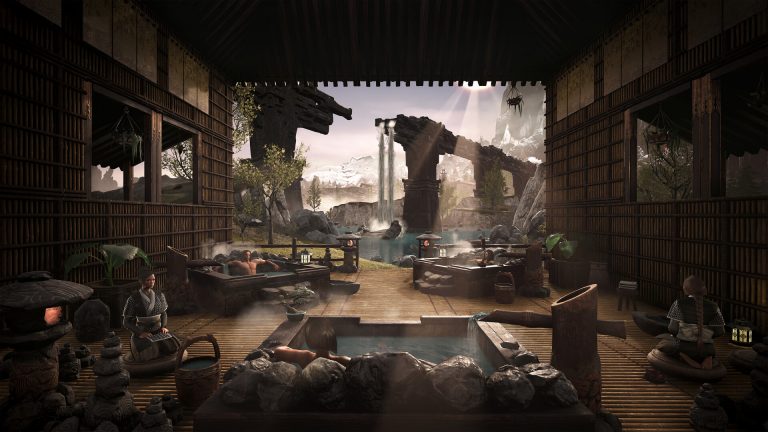

The Exiled Lands are not just dangerous because of bandits, beasts, and gods. The climate itself is a constant threat. Wander from the scorching dunes into the frozen north without preparation and the temperature system will whittle you down through thirst, hunger, stamina drain, and outright damage. This guide breaks down how heat and cold actually work in Conan Exiles, how to read the status effects, and how to use armor, food, drink, and shelter to stay alive in every biome.
How temperature works
Your character has a core body temperature that drifts toward whatever the surrounding environment pushes it to. The desert and volcano heat you up; the snowy highlands and the Temple of Frost cool you down. The neutral, safe middle is called Temperate. Stray too far in either direction and you start stacking debuffs.
Your defense against this is heat resistance and cold resistance, which the game displays as bars rather than raw numbers. Each bar is worth roughly five points of protection, and the more resistance you carry, the wider the band of temperature you can tolerate before sliding toward heatstroke or frostbite. Practical thresholds matter here: you need around 20 heat resistance to walk the hottest parts of the volcano without taking heat damage, and roughly 30 cold resistance to stand inside the Temple of Frost unharmed.
Heat and cold status effects
Temperature debuffs scale in tiers. The early tiers are mostly an inconvenience, but the extreme tiers will kill you if you ignore them. Heat tiers climb thirst first, then add stamina cost and damage; cold tiers climb hunger first, then pile on stamina cost and heavy damage.
| Status effect | Direction | Main penalty |
|---|---|---|
| Hot / Very Hot | Heat | Increased thirst rate |
| Extremely Hot | Heat | Increased thirst, increased stamina cost, takes damage |
| Heatstroke | Heat | Severe debuff that pushes your temperature even higher |
| Cold | Cold | Increased hunger rate |
| Extremely Cold | Cold | Increased hunger, increased stamina cost, takes damage |
| Frostbite | Cold | Increased hunger, heavy stamina cost, heavy damage |
The key takeaway: once you see “Extremely Hot,” “Heatstroke,” “Extremely Cold,” or “Frostbite,” you are losing health and need to act immediately. The lower tiers are your warning system. Treat them as a prompt to drink, eat, change gear, or find cover before things get lethal.
Armor for every climate
Armor is your most reliable, always-on source of temperature resistance. Sets lean either toward heat insulation or cold insulation, and a given piece is usually good at one and weak at the other. Build at least one full hot-weather set and one full cold-weather set, then swap based on where you are headed.
- Heat-resistant sets — lighter, exposed designs like Aquilonian and Darfari-style gear shed heat well for desert and volcano runs.
- Cold-resistant sets — fur and heavy insulated gear such as Vanir fur, Kambujan Shaman, and the high-end Godbreaker armor keep you warm in the frozen north.
- Weight classes — light, medium, and heavy. Heavy gives the most armor value but drains stamina; light keeps you mobile. Temperature resistance is tied to the set, not strictly the weight class, so check each piece.
Since the Isle of Siptah update, armor contributes through hot and cold insulation values rather than directly shifting your temperature, so a well-balanced set can buffer you against both extremes to a degree. Crafting stronger versions at an Improved Armorer’s Bench (using materials like layered fur and perfected padding for cold gear) raises those values further. If you are building out a wider gear plan, our feats and knowledge guide covers which armorer feats to prioritize first.
Food and drink that shift your temperature
Cooking is the survival player’s secret weapon against the climate. Spiced foods raise your body temperature, while iced and chilled foods lower it. These effects stack on top of your armor and let you push deeper into hostile zones.
- To warm up: spiced dishes such as spiced steak and spiced haunch are easy to mass-produce and nudge your temperature upward in the cold.
- To cool down: iced tea, brewed by a higher-tier cook, keeps you cool and quenched at the same time, which makes it ideal for long volcano trips.
- Manage thirst and hunger: because heat accelerates thirst and cold accelerates hunger, always carry extra water and food when traveling to an extreme biome.
Higher cook tiers (T3 and T4) unlock the most useful temperature foods, so investing in a good cook thrall pays off fast. For the full recipe list and buff breakdown, see our cooking and food buffs guide.
Shelter, fires, and surviving sandstorms
The Sheltered status is a powerful, free defense. The game checks for solid surfaces in five directions around you (north, east, south, west, and up). Each direction that hits a player-built building piece grants shelter, and full coverage gives up to +25 temperature resistance. Building material matters too: sandstone naturally pulls an overheated character back toward Temperate, while insulated wood nudges a cold character back up toward neutral. Neither will overshoot past neutral, so they soften extremes rather than reverse them.
Campfires, braziers, and torches add localized warmth, which is invaluable when exploring the snowy north far from your base. A small placed fire can be the difference between pushing forward and turning back.
The sandstorm is a special hazard unique to the desert. It rolls across the dunes and applies a debuff that steadily damages anyone caught in the open. To survive it you either need to be Sheltered inside a building, or wear a mask that filters the air — the craftable Sandstorm Breathing Mask is the standard choice, and several helmets (Setite Mask, Commander’s Helmet, and the Godbreaker helmets among them) also let you breathe through it. Keep a mask on your hotbar before you ever set foot in the dunes.
Quick survival checklist
- Carry both a heat set and a cold set, and swap before crossing into a new biome.
- Stock spiced food for the cold and iced tea for the heat.
- Pack extra water for hot zones and extra food for cold zones.
- Always have a sandstorm mask before entering the desert.
- Build with sandstone in hot regions and insulated wood in cold regions.
Climate control is one of the first systems community-server admins get questions about, especially on modded or high-difficulty servers. If you run a clan or public realm, a stable host keeps weather, thralls, and building integrity behaving correctly — you can spin up a world on our Conan Exiles hosting plans and tune settings to taste. Setup walkthroughs live in the Conan Exiles server docs.
Frequently asked questions
What is the fastest way to stop taking temperature damage?
Equip the correct climate armor for where you are. Armor provides constant resistance, unlike food buffs that expire. If you are caught without the right set, get Sheltered inside a building or next to a fire, then eat or drink a temperature-shifting item to ride it out.
Do I need a sandstorm mask if I have heat-resistant armor?
Yes. Sandstorm damage is a separate weather effect from ordinary desert heat. Heat resistance keeps your temperature in check, but only a sandstorm mask (or being fully Sheltered) prevents the storm’s gas damage. Always keep one ready before heading into the dunes.
Can food alone replace climate armor?
Not reliably. Spiced foods and iced tea give meaningful temperature shifts, but their effects are temporary and stack best on top of proper armor. For extreme zones like the volcano or Temple of Frost, you want both the armor resistance and the food buff working together.
Ready to play?
Run your own Conan Exiles server with XGamingServer
Spin up an always-on Conan Exiles server your friends can join in minutes — no port-forwarding, no tech headaches.