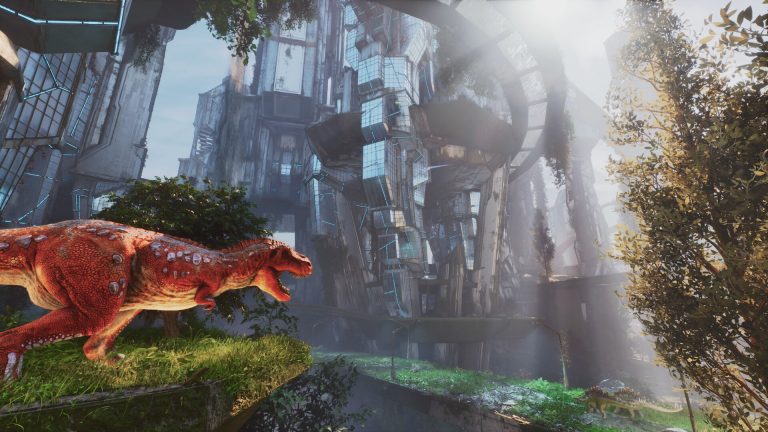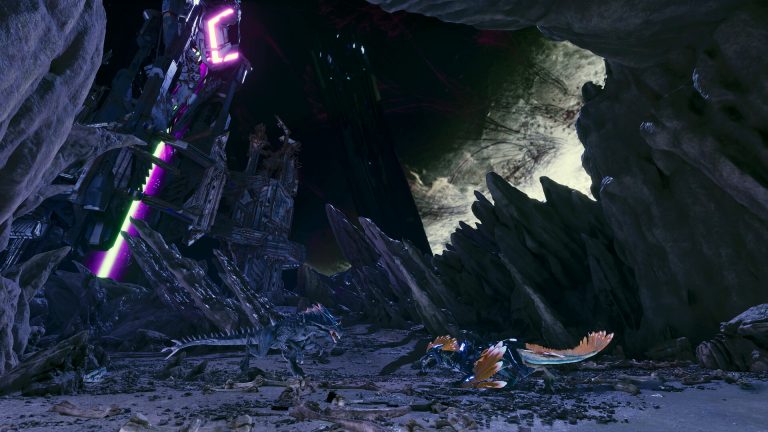
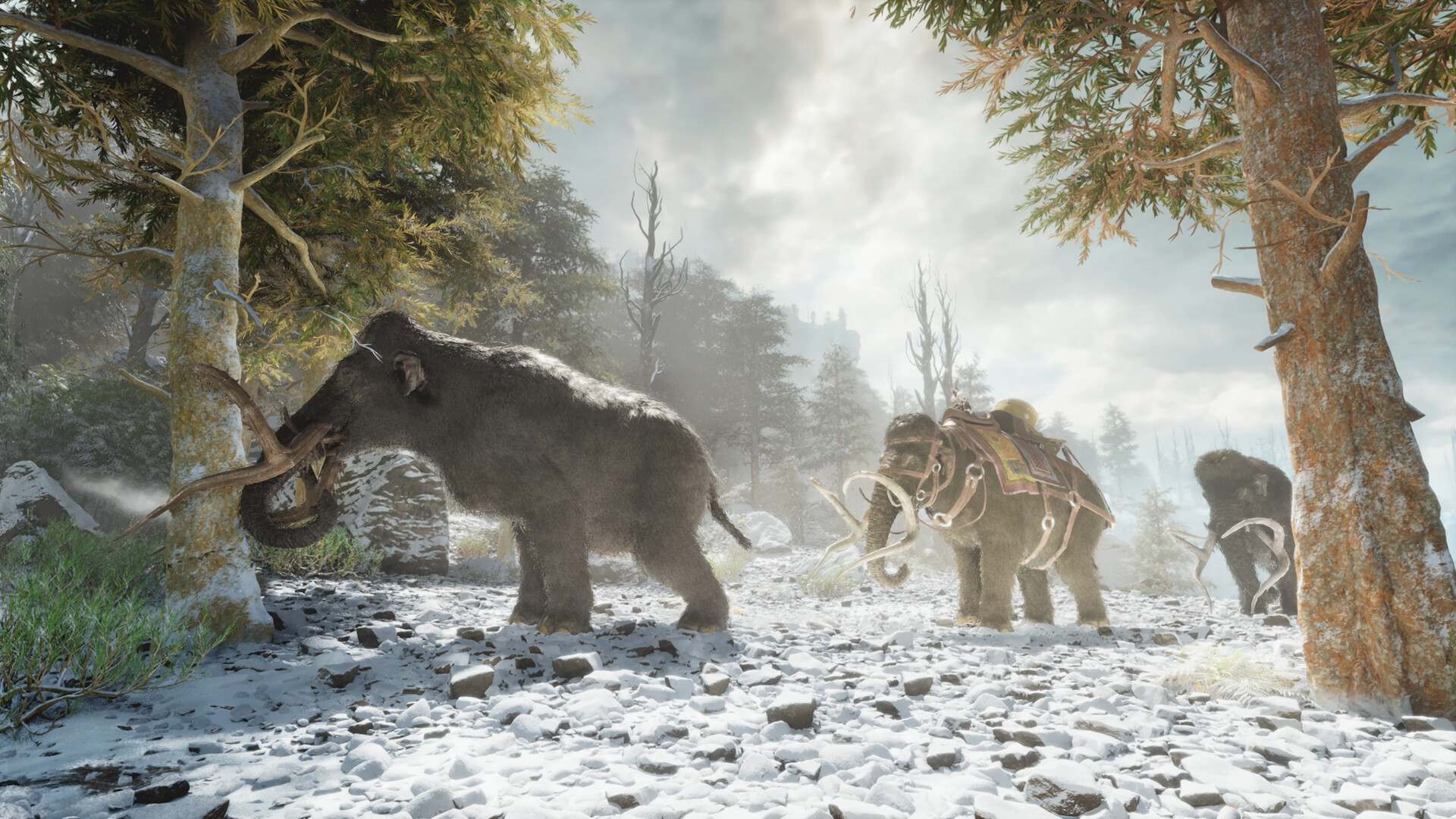
ARK: Survival Ascended has hundreds of creatures, but only a handful are genuine must-tames that carry you from the beach to the boss arena. This 2026 tier list ranks the best dinos by role — farming, combat, travel and utility — with an at-a-glance tier table, then the reasoning behind every pick so you know exactly what to prioritise at each stage.
ARK: Survival Ascended dino tier list (2026)
Tiers reflect overall value across PvE — a mix of how useful the creature is, how much it replaces other tames, and how it performs in the boss arena. We note PvP differences below the table.
| Tier | Creatures | Why |
|---|---|---|
| S | Rex, Therizinosaurus, Ankylosaurus, Argentavis, Giganotosaurus, Shadowmane | Game-defining. Each one replaces several other tames or wins fights nothing else can. |
| A | Yutyrannus, Daeodon, Spino, Megatherium, Carcharodontosaurus, Castoroides, Snow Owl, Maewing | Elite specialists — boss buffs, healing, breeding logistics, secondary farming. |
| B | Pteranodon, Sabertooth, Doedicurus, Stegosaurus, Beelzebufo, Mammoth, Direbear | Reliable workhorses you replace later but lean on hard early-to-mid game. |
| C | Parasaur, Trike, Raptor, Dilophosaur, Pelagornis | Starter tames — useful in hour one, outgrown fast. |
S-tier farming & utility
- Ankylosaurus — the metal, crystal and obsidian miner. Nothing replaces it; one Anky on a flyer is how you go from stone tools to a metal base. Its tail also harvests flint and stone in bulk.
- Therizinosaurus — the best all-round gatherer (wood, fibre, thatch, berries, meat and hide depending on attack) and a top-tier boss/combat dino. For many players the single most valuable tame in the game.
- Argentavis — the mid-game workhorse. It carries an Anky in its talons, reduces metal-ore weight when ore is in its inventory, has a healing beak (eat corpses to heal), and acts as a mobile crafting platform. Your first “everything” flyer.
- Castoroides — heavy wood farming plus a portable smithy, so you can craft saddles and metal gear in the field without running home.
S/A-tier combat & bosses
- Rex — the dependable boss-arena pick and PvE powerhouse. High health and damage, easy to breed in numbers, and the backbone of most boss teams.
- Giganotosaurus — raw damage king and the strongest land predator, but its rage mechanic (it takes damage and bucks its rider when health drops) makes it risky. Bred and imprinted Gigas dominate.
- Carcharodontosaurus — a newer apex with a bleed/charge mechanic and huge mobility across terrain; a strong modern alternative to the Giga without the rage downside.
- Yutyrannus — not a damage dealer but essential: its Courage roar buffs your whole boss team’s damage and resistance while its Fear roar weakens wild enemies. One Yuty per boss run.
- Shadowmane — a fast, agile pack hunter that’s strong in both PvE and PvP, with a pounce and a healing ability. One of ASA’s best all-rounders.
- Megatherium — a boss-arena staple, devastating against the Broodmother thanks to its insect-killing damage buff.
Travel & specialist tames
- Pteranodon — your first flyer; cheap early mobility and scouting before you can tame an Argentavis.
- Snow Owl — fast flyer with a heal pulse and stealth dive; excellent for ferrying and reviving tames.
- Spino — a powerful amphibious mount, great early-to-mid combat both in and out of water.
- Daeodon — the combat healer for boss runs; it heals nearby allied dinos at the cost of huge food consumption, so bring stacks of meat.
- Maewing — raises baby dinos by auto-feeding them and carries multiple babies, making mass breeding far less of a chore.
- Beelzebufo / Achatina — passive producers: the frog farms cementing paste from bugs, the snail produces it passively. Cementing paste gates most mid-game crafting.
PvP vs PvE — where the list shifts
The table above is PvE-weighted. In PvP, mobility and burst matter more than farming: Shadowmane, Carcharodontosaurus and bred Gigas rise, fast flyers like the Snow Owl are prized for healing and repositioning, and small utility tames (Stryder, Velonasaur for turret-mode defence) jump up. Pure farmers like the Castoroides drop in priority because you’re protecting a smaller, more mobile footprint. On official-rates PvE, breeding and imprinting any S-tier combat dino is what really separates a strong tribe from a weak one.
What to tame first
A practical early order: a Parasaur or Trike to start gathering and for defence, a Pteranodon for mobility, then an Argentavis, and finally an Ankylosaurus to unlock metal. That chain opens the entire mid-game — once you can fly an Anky to a metal node, your tech and base tier accelerate fast. From there, breed Rexes (or a Giga) for bosses. See our starter dinos guide and plan every tame’s time and resources with the ARK Taming Calculator.
Frequently asked questions
What is the best dino in ARK: Survival Ascended?
For all-round value, the Therizinosaurus — it’s a top farmer and a top combat dino in one. For pure boss damage, a bred and imprinted Giganotosaurus or Rex team. For utility you can’t live without, the Ankylosaurus (metal) and Argentavis (carry/transport).
What’s the best dino for boss fights?
A team of bred, imprinted Rexes with a Yutyrannus for the Courage buff and a Daeodon for healing is the classic, reliable setup. Swap in Megatherium for the Broodmother and Therizinosaurus as a flexible alternative.
What’s the best early-game dino?
The Argentavis is the early-game tame that changes everything — it carries other dinos, transports ore, heals itself and acts as a flying base. Before that, a Pteranodon for scouting and a Trike for berries and defence.
Running a tribe needs a server that’s online 24/7 with breeding timers ticking. ARK: Survival Ascended hosting from $7/month — 30% off with code XGAMEON.
Free ARK Tools
Speed up your server with our free ARK tools:
Ready to play?
Run your own ARK: Survival Ascended server with XGamingServer
Spin up an always-on ARK: Survival Ascended server your friends can join in minutes — no port-forwarding, no tech headaches.