Valheim casts a long shadow over the co-op survival genre. Six years after its early access launch it’s still the default recommendation when a group wants something to play together. So when Beartwigs shipped Romestead into Steam Early Access on May 25, 2026, the obvious question for any Valheim group considering a switch is: are these the same kind of game, or different enough to be worth playing both?
Short answer: they share a backbone but diverge meaningfully. Here’s what’s actually different.
The Shared DNA
Both games are biome-gated co-op survival sandboxes. The loop is the same: explore a starting region, gather resources, craft better gear, beat a boss to unlock the next biome’s content, repeat. Both support persistent dedicated servers. Both balance for small co-op groups rather than massive populations. Both have a building system that’s a meaningful subsystem, not just an afterthought. If you liked Valheim’s structure, you will recognise Romestead’s structure on day one.
Where Romestead Diverges
1. Top-Down 2D Pixel Art vs Third-Person 3D
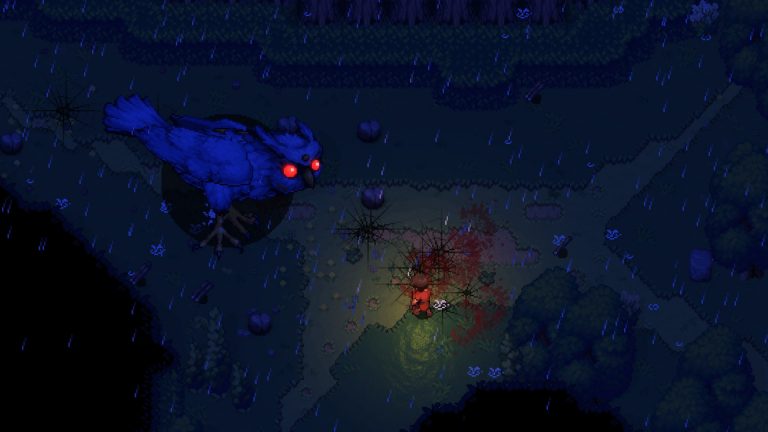
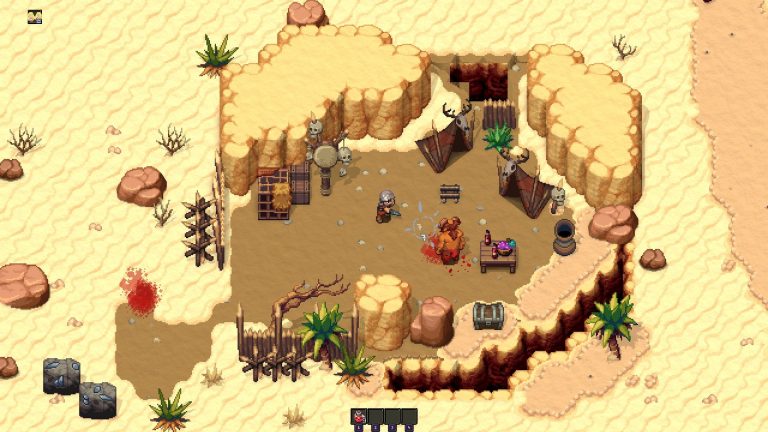
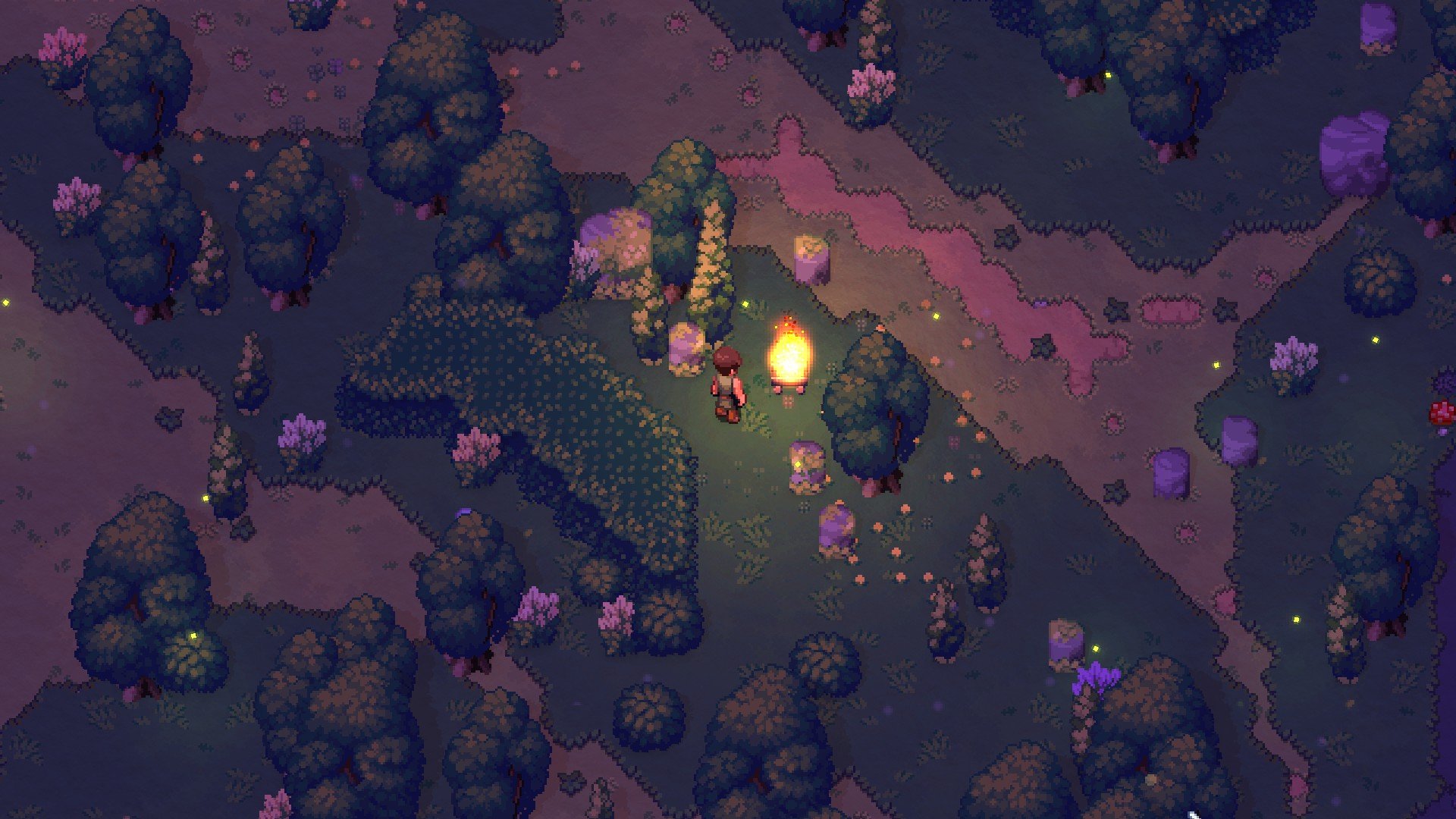
Valheim is a third-person 3D Viking world with stylised low-poly visuals. Romestead is a top-down pixel art game with a Roman post-apocalypse setting. This isn’t just an aesthetic choice — it changes how exploration feels. Romestead’s top-down view trades the moment-to-moment “what’s behind that hill?” tension for a faster, more readable sandbox where you can see your whole settlement at once. Combat is also faster and more arcade-y as a result.
2. Physical Resource Hauling Is a First-Class System
Both games make you carry resources, but Romestead leans further in. Lumber and stone aren’t inventory entries — they’re world objects you pick up, throw, or haul with carts. Building infrastructure (roads, depots, carts) to bring resources back from the wild is a deliberate co-op problem to solve. Valheim has the cart and the longship; Romestead builds its whole settlement layer around the physicality.
3. Restore the Gods, Not Defeat Them
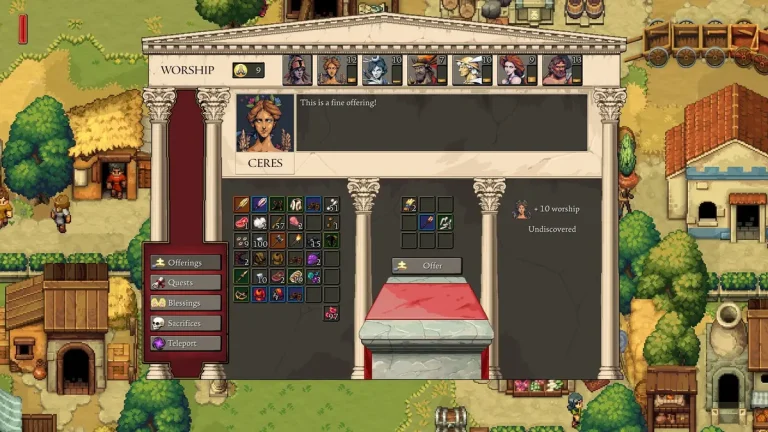
Valheim’s bosses are Odin’s enemies — you summon them and put them down to progress. Romestead’s pantheon system runs the opposite way: the Roman gods have gone silent, and you bring them back through offerings and sacrifices. Each restored god unlocks technologies, buffs, and gameplay levers. It’s a progression frame that feels more constructive than slayer-mode, even though boss fights still gate biome unlocks.
4. Difficulty Scales to Group Size
Valheim’s difficulty is mostly fixed regardless of player count — eight players steamroll bosses that solo players struggle with. Romestead is balanced for 1-8 players with active difficulty scaling: a two-player run and a six-player run play very differently with the same content. Enemy density, drops, and pacing all adjust. It’s a less-discussed feature but it’s the single biggest reason a mixed group of regulars and drop-in friends has a better time in Romestead.
5. Smaller Footprint, Smaller World (For Now)
Valheim is six years of content. Romestead is three days into Early Access at the time of writing — Beartwigs estimates a 1-2 year EA period for the full vision. The content depth difference is real and honest, not something to paper over. If you want more game right now, Valheim wins. If you want a smaller-but-tighter game where every system you encounter feels deliberate, Romestead wins.
The Multiplayer Story
Both ship official standalone dedicated server tools. Both run on Linux. The Valheim server is more mature; the Romestead server is brand new but already complete in scope (full admin commands via stdin: kick, ban, say, save, etc.). Both games have the same fundamental design tension: someone has to keep the world online. A dedicated server solves that for either game.
One difference worth noting: Valheim has cross-play support across PC, Xbox, and PlayStation. Romestead is PC-only on Steam — no console version exists. If your group is mixed platform, Valheim is the only option.
Which Should Your Group Play?
| If your group… | Pick |
|---|---|
| Plays across PC, Xbox, and PlayStation | Valheim |
| Wants the most content / longest campaign possible | Valheim |
| Wants difficulty that adjusts when one or two people are missing | Romestead |
| Likes the building/logistics layer to be central, not optional | Romestead |
| Is already done with Valheim’s content and wants something new in the same vein | Romestead |
| Prefers top-down readable combat over 3D exploration tension | Romestead |
| Wants a Roman setting instead of Norse mythology | Romestead (it’s the only option) |
Or — Just Play Both
Realistically, most groups that liked Valheim will get value out of Romestead, and vice versa. They’re not exactly the same game; they’re cousins. The biggest practical question isn’t which but where: both games genuinely benefit from a dedicated server so your group’s progression doesn’t stall when the “host” is offline. If you’re already running a Valheim server, the workflow for Romestead is similar — just a different .NET 8 binary and a different UDP port.
Need a Romestead Server?
Skip the .NET runtime setup, the SteamCMD updates, and the CPU sizing math. Get a fully managed Romestead dedicated server with one-click setup, automated world backups, AMD Ryzen 9 cores, and 24/7 support — the same official Beartwigs dedicated server tool, running on hardware sized for Romestead’s actual bottleneck.
Rent a Romestead Server →
🔥 30% OFF — code XGAMEON
More Romestead guides
- Romestead Console Commands & Cheats
- Romestead Multiplayer & Co-op
- Install a Romestead Server on Linux
- Is Romestead Worth Playing?
- Romestead System Requirements
- Romestead Early Access Launch
Ready to play with friends? Get a fully managed Romestead dedicated server — one-click setup, automated backups and 24/7 support. 30% OFF with code XGAMEON.
Ready to play?
Run your own Romestead Dedicated server with XGamingServer
Spin up an always-on Romestead Dedicated server your friends can join in minutes — no port-forwarding, no tech headaches.