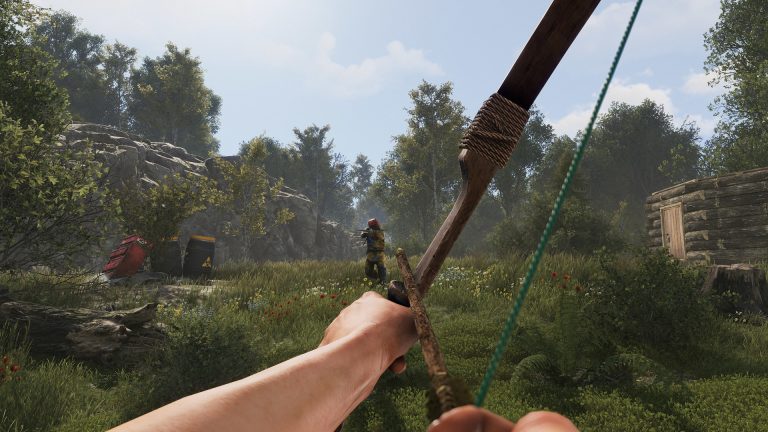
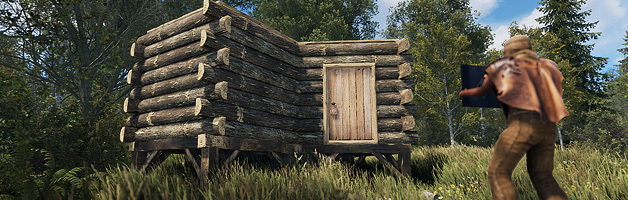
Knowing what a base costs to raid is half of Rust — both for planning your own raid and for building something that isn’t worth the explosives. This guide is the full raid cost chart: exact C4, rocket and satchel counts for every wall and door tier, the sulfur cost of each explosive, soft side vs hard side, and how honeycomb prices attackers out. All figures are for the hard side (the expensive side) unless noted, current for the June 2026 game build.
Rust wall raid cost chart
This is the cost to break a single wall from the hard side. Numbers in bold are the most common (most efficient) method for that tier.
| Wall tier | HP | C4 | Rockets | Satchels | Cheapest sulfur |
|---|---|---|---|---|---|
| Twig | 10 | — | — | — | Melee / fire (free) |
| Wood | 250 | 1 | 2 | 4 | ~480 (1 satchel-ish + fire) |
| Stone | 500 | 2 | 4 | 8 | 4,400 (2 C4) |
| Sheet Metal | 1,000 | 4 | 8 | — | 8,800 (4 C4) |
| Armoured | 2,000 | 8 | 15 | — | 17,600 (8 C4) |
Rust door raid cost chart
Doors are the most common raid target because the loot sits right behind them. A good airlock (double doors) means blowing one door doesn’t expose your stash.
| Door tier | HP | Cheapest raid | Alternative |
|---|---|---|---|
| Wooden Door | 200 | Fire / melee | 1 Satchel |
| Sheet Metal Door | 250 | 1 C4 (2,200 sulfur) | 4 Satchels / 2 Rockets |
| Garage Door | 600 | 3 Rockets (4,200 sulfur) | 2 C4 |
| Armoured Door | 800 | 3 C4 (6,600 sulfur) | Explosive ammo (heavy) |
Explosive sulfur cost reference
Every raid comes down to sulfur. This is what each tool costs to craft, so you can convert any raid chart above into farm time.
| Explosive | Sulfur to craft | Best against |
|---|---|---|
| Timed Explosive Charge (C4) | 2,200 | Everything — reliable, never duds |
| Rocket | 1,400 | Walls, garage doors |
| Incendiary Rocket | 610 | Wood, finishing soft targets |
| Satchel Charge | 480 | Early wipe, sheet doors (can dud) |
| Explosive 5.56 Ammo (per round) | ~25 | Sheet metal doors, online raids |
| Beancan Grenade | 60 | Twig / wood, can dud |
Soft side vs hard side
Every wall and door has a soft side (cheaper to destroy) and a hard side (more expensive). On a wall, the soft side faces into the room — which is why raiders try to reach an interior-facing wall, and why builders use honeycomb to ensure attackers only ever hit hard sides. The same explosive can take far more walls from the soft side than the hard side, so which side you hit matters as much as the tool you use. The charts above are hard-side; halve them for an exposed soft side.
Raiding tools, ranked
- C4 (Timed Explosive Charge) — the most reliable and predictable raiding tool. Expensive in sulfur, but it never duds and the cost is known. The benchmark everything else is measured against.
- Rockets — flexible and strong; most raiders mix incendiary and high-velocity rockets for efficiency against different tiers.
- Satchel Charges — the cheap early-wipe option, but they can dud (fail to detonate), so bring extras and patience.
- Explosive Ammo (5.56) — excellent against sheet metal doors and for online raids, but heavy on sulfur.
- Eoka / fire / melee — early-game raiding against twig and wood only.
Honeycomb: the real defence
The whole point of upgrade tiers and honeycomb is to make raiding you cost more than your loot is worth. Honeycomb (extra empty wall layers around your core) forces raiders to blow through multiple hard-side walls to reach anything, multiplying the explosive cost. A single stone wall is 2 C4; three layers of honeycombed stone is 6 C4 (13,200 sulfur) before they see a single box. Add honeycomb until the math doesn’t favour the raider.
Get exact raid costs for your base
The charts above cover single parts from the hard side. Real raids mix tools, sides and tiers — so run the exact numbers rather than do the maths in your head. Our free Rust Raid Calculator shows precisely how much C4, rockets or satchels (and the sulfur to craft them) every part of a base costs, including soft-side and honeycomb scenarios. Then check your farm against it with the sulfur & gunpowder guide.
Frequently asked questions
How many C4 to raid a stone wall?
2 C4 destroys a stone wall (500 HP) from the hard side — about 4,400 sulfur. From the soft side it’s roughly half, so position matters. Four rockets is the common rocket alternative.
How much sulfur is one C4?
One Timed Explosive Charge costs 2,200 sulfur to craft (plus charcoal, metal fragments, cloth and tech trash). A rocket is 1,400 sulfur and a satchel charge is 480.
What’s the cheapest way to raid a sheet metal door?
1 C4 is the cleanest option (2,200 sulfur). Four satchel charges are cheaper at ~1,920 sulfur but can dud, and explosive 5.56 ammo also works well if you’re already running a rifle.
How do I make my base not worth raiding?
Upgrade your core to sheet metal or armoured, honeycomb it with extra wall layers so raiders only ever hit hard sides, and use double-door airlocks. The goal is to make the explosive cost exceed the value of your loot.
Want a server that holds frame time steady through a full-pop raid night? Rust server hosting from $7/month on Ryzen 9 hardware — 30% off with code XGAMEON.
Free Rust Tools
Speed up your server with our free Rust tools:
Ready to play?
Run your own Rust server with XGamingServer
Spin up an always-on Rust server your friends can join in minutes — no port-forwarding, no tech headaches.