Components are the bottleneck for most Rust crafting — guns, tools, electrics and explosives all need them, and you can only find them, not craft them from raw resources. This guide covers what each component is for, exactly what it recycles into, and a clear keep-vs-recycle verdict so you never throw away value or shred a part you needed.
Rust component recycle chart
Recycler outputs for the components you’ll see most, current for the 2026 build. Outputs are per single component; the recycler processes a stack one at a time.
| Component | Mainly used for | Recycles into | Verdict |
|---|---|---|---|
| Gears | Doors, turrets, traps, vending machines | — | Keep |
| Metal Spring | Guns, high-tier tools | 10 Scrap | Keep for guns |
| Metal Pipe | SMGs, bolt-action, revolver | 5 Scrap + 10 Metal Frags | Keep for guns |
| Sheet Metal | Doors, armour, barricades | 8 Scrap + 10 Metal Frags | Recycle surplus |
| Tech Trash | Workbench, electrics, high-end gear | 20 Scrap + 10 HQM | Keep a few, recycle for HQM |
| Road Signs | Road-sign armour (jacket + kilt) | 5 Scrap + 10 Metal Frags | Recycle (or make armour) |
| Rope | Bows, crossbow, some clothing | 15 Cloth | Recycle surplus |
| Sewing Kit | Clothing, armour | 2 Scrap + 10 Cloth | Recycle surplus |
| Tarp | Hazmat suit, some clothing | 50 Cloth | Recycle surplus |
| Electric Fuse | Monument puzzles (consumed) | 2 Scrap | Keep for puzzles |
| Rifle Body | AK, LR-300, M39 | 25 Scrap + 20 HQM | Keep or recycle for HQM |
| SMG Body | Thompson, Custom SMG, MP5 | 15 Scrap + 20 HQM | Keep or recycle for HQM |
| Semi-Auto Body | Semi rifle, SAR, M92, P250 | 15 Scrap + 20 HQM | Keep or recycle for HQM |
Keep vs recycle: the simple rule
- Always keep: Gears, Metal Springs and Metal Pipes — they gate guns and key base parts, and their recycle value is low relative to how badly you’ll want them later.
- Keep a working stock, recycle the rest: Tech Trash (you need it for workbenches and electrics, but surplus is your best early HQM source).
- Recycle freely: weapon bodies you won’t craft, surplus Sheet Metal, Road Signs (unless you’re making armour), Rope, Sewing Kits and Tarps. They convert cleanly into scrap, frags, HQM and cloth.
Rule of thumb: an item at full condition returns roughly half its crafting cost when recycled, so recycling found loot you won’t use is almost always better than dropping or burning it.
Where to recycle safely
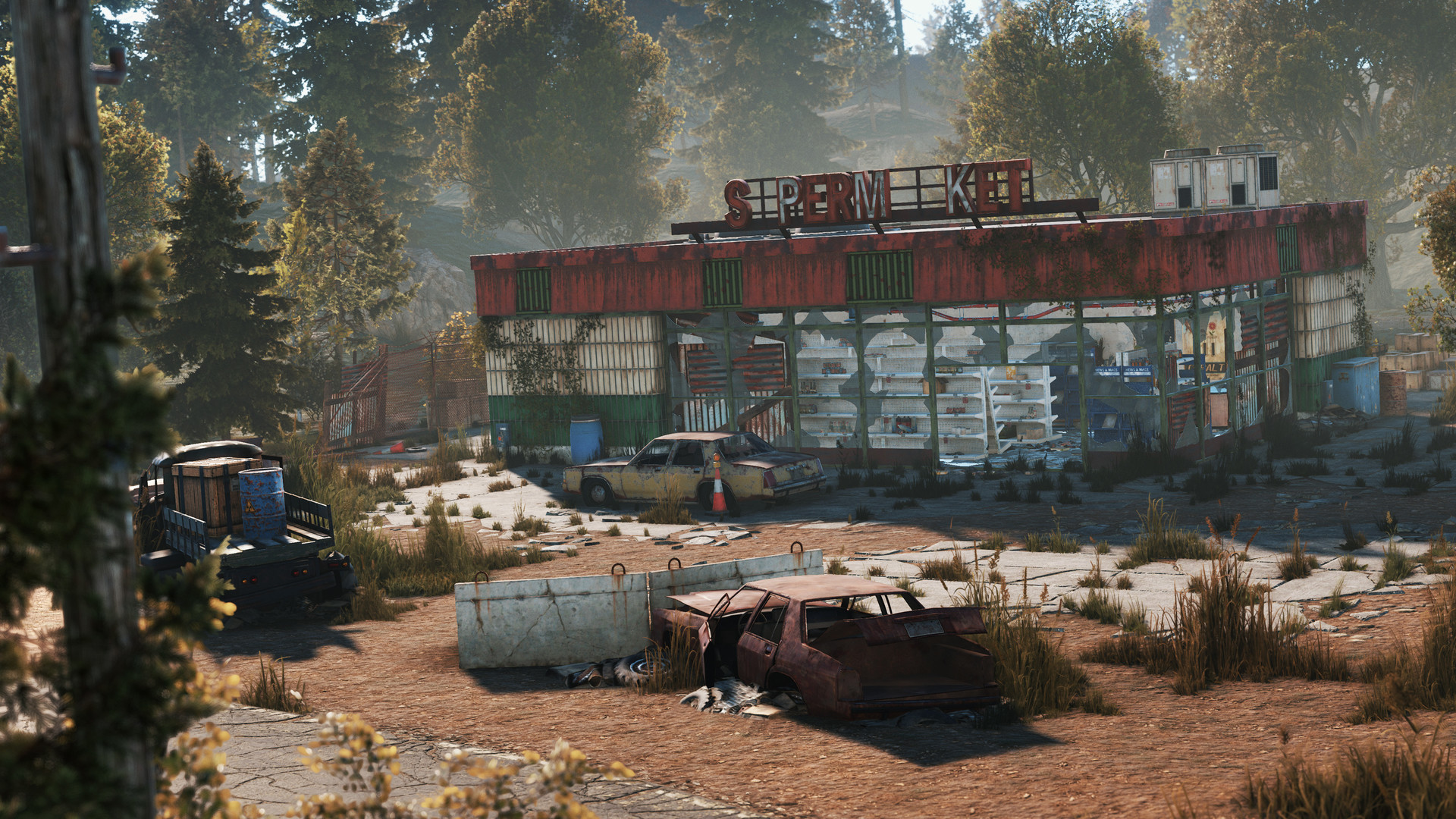
Recyclers sit at most monuments. The safe-zone recyclers at Outpost and Bandit Camp are ideal for cashing in loot without PvP risk, while monument recyclers (Supermarket, Gas Station, Mining Outpost, larger monuments) are faster for on-the-go runs but expose you to other players. Feed everything you don’t need before you leave — never carry junk components home.
Use our Rust Recycler Calculator to see the exact output of any item or full stack before you commit, and the scrap farming guide for the fastest recycle routes.
Frequently asked questions
What components should you never recycle in Rust?
Gears, Metal Springs and Metal Pipes. They’re required for guns, high-tier tools and key base parts, and their recycle value is small compared with how often you’ll need them. Hoard these.
What recycles into the most scrap?
Among components, the Rifle Body (25 scrap + 20 HQM) and Tech Trash (20 scrap + 10 HQM) are the biggest earners. For full items, road signs and weapon bodies you won’t craft are reliable scrap-and-HQM sources.
Does recycling give back the full crafting cost?
No — a full-condition item returns about 50% of what it cost to craft. That’s still far better than dropping or burning loot, so recycle anything you won’t use.
Rust server hosting from $7/month on Ryzen 9 hardware — 30% off with code XGAMEON.
Free Rust Tools
Speed up your server with our free Rust tools:
Ready to play?
Run your own Rust server with XGamingServer
Spin up an always-on Rust server your friends can join in minutes — no port-forwarding, no tech headaches.