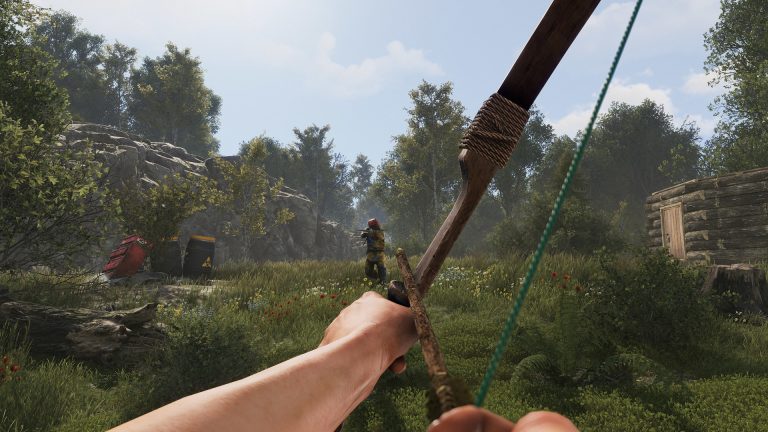
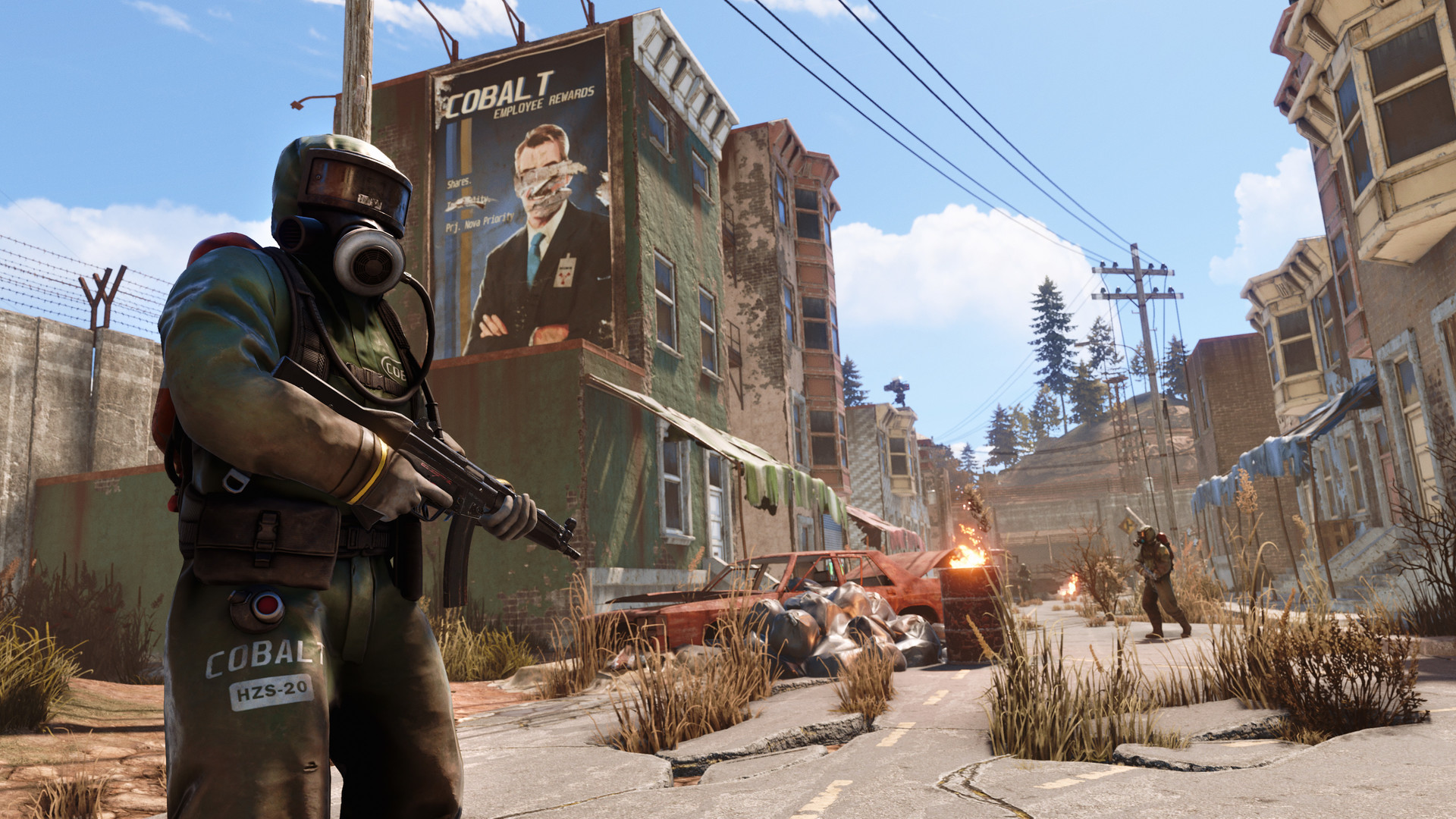
Gear decides who wins fights in Rust. The right combination of clothing and armor can mean surviving a bolt-action headshot, shrugging off a spear, looting an irradiated bunker, or freezing to death on a snow biome. This guide breaks down how protection works, what each major piece actually defends against, and how to mix sets for the situation in front of you. Because Facepunch tweaks values most months, treat the exact percentages below as a recent-wipe snapshot from the wiki rather than permanent numbers.
How protection works in Rust
Your character has two clothing layers on the head, chest, and legs, plus single slots for hands and feet. Layer 1 (shirts, hats, pants) leans toward comfort and cold resistance; Layer 2 (jackets, helmets, kilts, plates) carries the combat protection. Both layers contribute their stats, so a hoodie under a roadsign jacket adds up. Some items are dual-layer and occupy both slots at once, including the Metal Facemask, Coffee Can Helmet, and the entire Heavy Plate set, meaning you cannot stack anything else on that body part.
Every piece lists separate resistances for bullet (projectile), melee, bite, radiation, cold, and explosion damage. These are percentage damage reductions for the body parts the item covers, and armor only protects the area it actually covers, so exposed skin still takes full damage. A heavily negative cold value is common on metal gear, which is why pure metal kits punish you in cold biomes.
Armor tiers from wood to heavy plate
Early game (wood and bone): The Wood Chestplate is cheap and surprisingly good against melee, but its bullet protection is minimal. It is a wipe-day stopgap, not a fighting kit.
Mid game (roadsign): The Road Sign Jacket and Road Sign Kilt are crafted from road signs, leather, and sewing kits. Each gives modest, balanced bullet and melee protection and the kilt is the standard leg armor because there is no metal leg piece. Both carry a negative cold value, so pair them with warm Layer 1 clothing.
Late game (metal): The Metal Facemask offers the strongest head protection of any craftable helmet, and the Metal Chest Plate is the toughest craftable torso piece against bullets. The trade-off is a brutal cold penalty on the chest plate and reduced peripheral vision from the facemask.
Endgame (heavy plate): The Heavy Plate Helmet, Jacket, and Pants deliver the highest projectile protection you can craft and fully negate many explosions, but they slow you down, the jacket blocks aiming down sights, and the cold penalties are severe. Heavy plate is a raid-defense and turtling kit, not a roaming kit.
Loot-only (ballistic): The June 2026 Built Different update added a loot-only military set: Ballistic Helmet, Ballistic Vest, Ballistic Leg Armour, plus BDU shirt and pants. These cannot be crafted or researched and drop from elite and locked crates. The ballistic helmet is positioned as the best head protection in the game, exceeding the metal facemask on projectile defense while behaving better in the cold. Exact ballistic values are new and version-dependent, so confirm them in-game before relying on a specific number.
Protection data table
Values below are recent wiki figures for individual pieces (negative cold means the item makes you colder). They shift between wipes, so use them for relative comparison.
| Item | Projectile | Melee | Radiation | Cold | Explosion |
|---|---|---|---|---|---|
| Wood Chestplate | 10% | 40% | 5% | — | 30% |
| Road Sign Jacket | 20% | 20% | — | -34% | — |
| Road Sign Kilt | 20% | 20% | — | -8% | — |
| Coffee Can Helmet | 35% | 50% | 5% | — | 50% |
| Metal Facemask | 50% | 70% | — | -4% | 50% |
| Metal Chest Plate | 25% | 20% | — | -34% | — |
| Hazmat Suit | 30% | 30% | 50% | 50% | 30% |
| Heavy Plate Helmet | 90% | 80% | 7% | -16% | 100% |
| Heavy Plate Jacket | 75% | 70% | 7% | -67% | 100% |
| Heavy Plate Pants | 75% | 70% | 7% | -17% | 100% |
Best armor combinations by situation
- Standard PvP kit: Metal Facemask + Metal Chest Plate + Road Sign Kilt. This is the classic well-rounded loadout, with the kilt covering legs since no metal leg armor exists.
- Budget fighting kit: Coffee Can Helmet + Road Sign Jacket + Road Sign Kilt. Cheaper than full metal, still respectable bullet and melee numbers.
- Raid defense / turtle: Full Heavy Plate. Top-tier projectile and explosion protection for holding a base, accepting the mobility and aim penalties.
- Radiation runs: Hazmat Suit. Strong radiation and cold protection with moderate combat defense, ideal for irradiated monuments where you do not expect a serious gunfight.
- Cold biomes: Always back metal or roadsign pieces with warm Layer 1 clothing (hoodie, pants, snow jacket) to offset the negative cold values.
Inserts on supported armor pieces can further tune resistances, but the core principle holds: match the kit to the threat. Carry a hazmat for monuments, a fighting kit for roams, and heavy plate for base defense rather than trying to make one set do everything.
Mixing sets and trade-offs
Mixing is normal and often optimal. Because the kilt is the only dedicated leg armor in the craftable tiers, almost every kit borrows it. Many players combine a Metal Facemask (best craftable head bullet defense) with a Road Sign Jacket when metal chest plates are scarce, trading some torso protection for lower cost and a less punishing cold penalty. Heavy plate pieces can be mixed in individually, for example wearing the helmet for explosion immunity while keeping a lighter chest for mobility. The constant tension is protection versus cold versus movement, and the best players swap kits constantly rather than committing to one. Survival fundamentals tie directly into gear choice, which is why it is worth pairing this with a broader read on the wider radiation, temperature and comfort survival systems and how your kit fits a full wipe-to-endgame progression.
Frequently asked questions
What is the best armor in Rust?
For raw protection, full Heavy Plate gives the highest craftable projectile and explosion defense, and the loot-only Ballistic Helmet now tops head protection. For everyday PvP, the Metal Facemask, Metal Chest Plate, and Road Sign Kilt combo remains the most practical balance of defense and mobility.
Does the hazmat suit protect against bullets?
Yes, but only moderately. The Hazmat Suit’s strengths are radiation and cold protection, with around 30% bullet and melee reduction. It is excellent for monument looting but you will lose a serious gunfight to anyone in metal or heavy plate.
Why does my armor make me colder?
Metal and heavy plate pieces carry negative cold values, meaning they actively increase cold damage. The Heavy Plate Jacket is the worst offender. Counter it by layering warm clothing in your Layer 1 slots or by switching to roadsign and warm gear in snow biomes.
Gearing is far more forgiving when you are testing kits with friends rather than risking a real wipe, and a private Rust server you run with your group lets you practice combos and raids on your own terms. If you are setting one up, the Rust server setup docs walk through configuration. From there, line your kit up with a solid base building plan and a defense setup so your gear and your home both hold up under pressure.
Free Rust Tools
Speed up your server with our free Rust tools:
Ready to play?
Run your own Rust server with XGamingServer
Spin up an always-on Rust server your friends can join in minutes — no port-forwarding, no tech headaches.