Staying fed in Rust is not optional. Your calorie and hydration meters drain constantly, and once they hit zero you start taking starvation and dehydration damage. Hunting animals for meat, cooking it properly, and farming your own crops are the three pillars of a stable food supply. This guide breaks down which animals to hunt, what they drop, how to cook safely, and which foods give you the most value for calories and hydration. Exact values shift with Facepunch’s monthly patches, so treat the numbers below as current-patch reference points rather than permanent constants.
How food and hydration work
Rust tracks two survival meters: calories (hunger) and hydration (thirst). Keeping your calories topped up grants a passive health-regeneration bonus, while letting them fall to zero triggers starvation damage that scales with your current health. Hydration is separate: drop too low and your movement slows, and below the danger threshold you take dehydration damage. Important caveat that catches new players out: drinking water only heals you up to roughly half your health bar, so you still need food or medical items to fully recover. Plan to carry both a calorie source and a hydration source rather than relying on one item to do everything.
Hunting animals and what they drop
Animals are the most reliable early-game source of meat plus crafting materials. The current roster includes chicken, boar, deer (stag), wolf, horse, and bear (with polar bears in snow biomes). Almost every animal yields a meat type, animal fat, bone fragments, cloth, and leather; the chicken is the exception, dropping chicken breasts, cloth, and bone fragments only. You harvest a corpse with a sharp tool such as a bone knife, hatchet, or pickaxe. The sharper the tool, the more resources you recover, so do not skin a bear with a rock if you can avoid it.
- Chicken (around 20 HP) — harmless, found in grassy fields and wooded areas. Easy first meal but low yield.
- Boar and deer/stag (around 150 HP each) — boars cluster near rivers, lakes and beaches; deer roam fields. Both are excellent meat-and-cloth sources with manageable risk.
- Wolf (around 100 HP) — aggressive pack hunters that roam most biomes around rocky terrain. They deal real damage, so engage from range when you can.
- Horse (around 200 HP) — usable as a mount, but a dead horse is a big pile of meat, fat and leather.
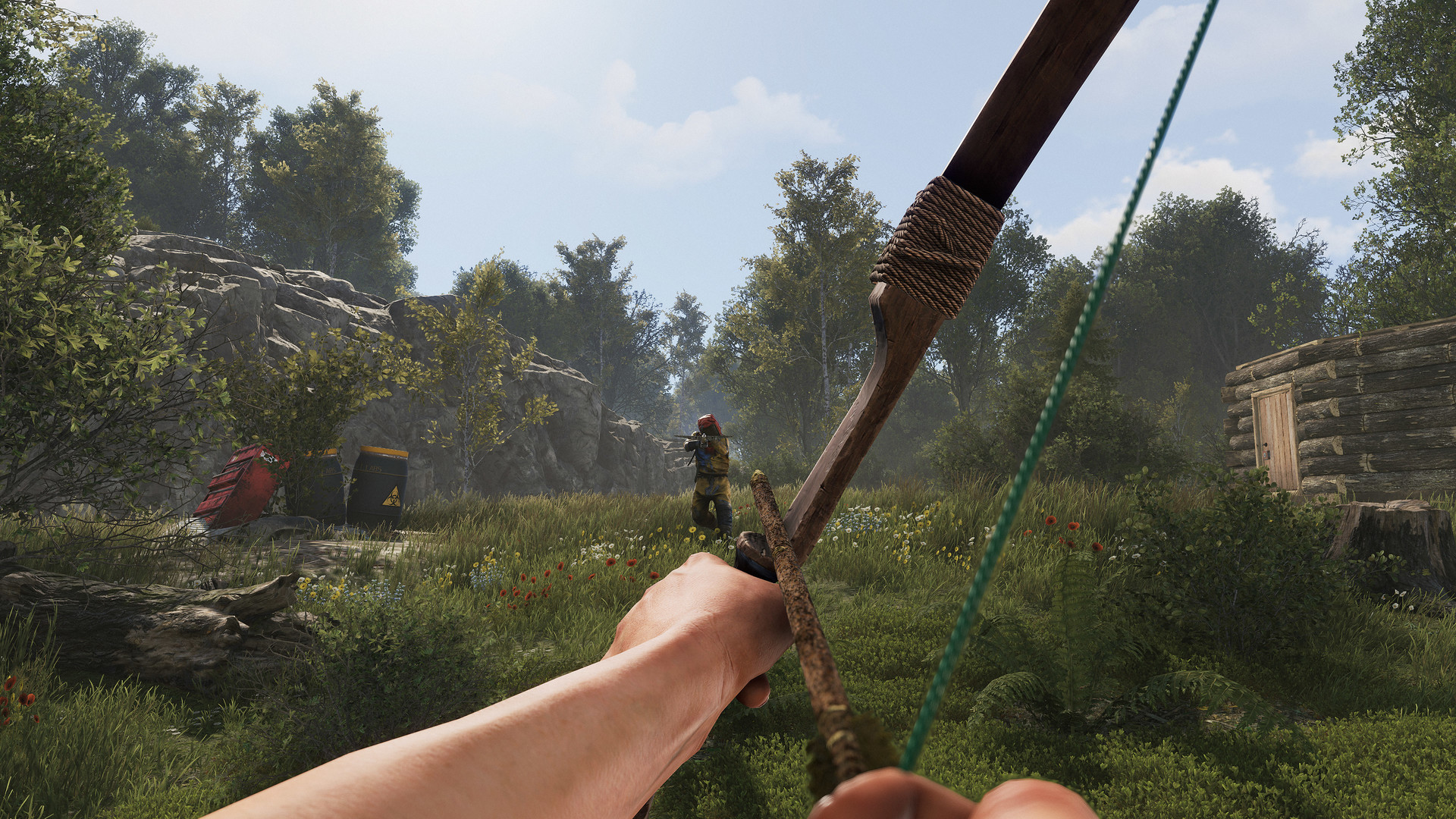
- Bear (around 400 HP) and polar bear (around 420 HP) — the most dangerous land animals and the biggest single meat payout. Bring a bow with plenty of arrows or a firearm, and never melee one head-on.
The animal fat you collect is a key ingredient for low grade fuel (combined with cloth), and bone fragments craft into bone armor, arrows, and knives. So hunting feeds both your stomach and your workbench.
Cooking: campfire, BBQ and furnace
Never eat raw meat if you can avoid it. Eating raw deer meat, for example, restores only a small amount of calories, gives zero hydration, and induces vomiting that hurts you, often a net loss. Cooking removes that risk and boosts the food’s value. The basic Camp Fire (100 wood to craft) burns wood as fuel and cooks meat one slice at a time, roughly 15 seconds per piece (fish cook faster, around 10 seconds). The Barbeque is the upgrade pick because it has multiple input slots and cooks each item in about 5 seconds, making it far better for processing a big hunt. Furnaces are for smelting ore, not the right tool for food.
Watch your timing. Meat left on the fire too long becomes burned meat, which is poisonous and damages you when eaten. Pull cooked items off promptly. Cooking also generates charcoal as a byproduct and provides warmth and comfort, so a campfire doubles as a heat source in cold biomes.
Food spoilage
Modern Rust has a spoilage system. Raw meats start with a short spoilage timer (around 6 hours) and cooked foods last longer (around 24 hours by default). When the timer expires, the food turns into a spoiled version that gives only a fraction of its calories and adds poison damage. A powered refrigerator pauses spoilage, so cook your meat soon after a hunt and store the surplus cold rather than hoarding raw stacks.
Best foods by calories and hydration
Different foods are good at different jobs. Meat is calorie-dense but barely hydrates; berries and canned goods hydrate well but carry fewer calories. The table below lists current-patch reference values; always pair a meat with a water source or a hydrating food.
| Food | Calories | Hydration | Healing | Best for |
|---|---|---|---|---|
| Cooked Bear Meat | 100 | 1 | Small (over time) | Raw calories |
| Cooked Pork | 60 | 1 | Small (over time) | Calories |
| Cooked Deer Meat | 40 | 3 | Ample | Balanced healing |
| Cooked Chicken Breast | 40 | 3 | 10 | Quick healing |
| Pumpkin | 80 | 30 | 10 | All-rounder |
| Potato | 125 | 5 | 6 | Most calories |
| Can of Beans | 100 | 25 | 4 | Looted staple |
| Tuna | 50 | 15 | 2 | Hydration + food |
| Black Raspberries | 40 | 20 | 10 (instant) | Hydration + heal |
| Blueberries | 30 | 20 | 10 (instant) | Hydration + heal |
The standout is the pumpkin: 100 calories, 30 hydration, and 10 instant healing in one item makes it the most efficient all-in-one survival food, and it is easy to grow at scale. Potatoes edge out even bear meat on raw calories. For meat, bear is the calorie king but barely hydrates, so eat it with berries or water nearby.
Farming as a sustainable alternative
Hunting is great early, but it sends you outside where you can be killed. Farming is the long-term answer. Using planter boxes with water and adequate lighting, you can grow corn, pumpkins, potatoes, and berries inside your base, turning food into a renewable resource you never have to leave home for. Pumpkins and potatoes in particular give you high calories and (for pumpkins) strong hydration without any combat risk. Most established players run a hunting loop for the early days, then transition to a planter setup so their food, hydration, and even cloth (from hemp) come from a single safe room.
Frequently asked questions
What is the best food in Rust?
The pumpkin is the most well-rounded single item, delivering 80 calories, 30 hydration, and about 8 instant healing while being easy to farm. For pure calories, potatoes (125) and cooked bear meat (100) lead, but both need a separate hydration source.
Can you eat raw meat in Rust?
You can, but you generally should not. Raw meat gives fewer calories, little or no hydration, and can make you vomit and lose health. Cook it on a campfire or barbeque first, just do not overcook it, since burned meat becomes poisonous.
What do hunted animals drop besides meat?
Most animals (bear, boar, deer, wolf, horse) drop animal fat, bone fragments, cloth, and leather alongside their meat. Chickens drop chicken breasts, cloth, and bone fragments. Animal fat plus cloth crafts low grade fuel, and bone fragments make arrows, knives, and bone armor.
A reliable food supply pairs naturally with the rest of your survival loop. Build a secure base to protect your planters and refrigerator with our Rust base building guide, kit out for fights with the armor and clothing guide, and manage the wider environment using our radiation, temperature and hydration survival guide. If you want a tour through the whole game from wipe day onward, the Rust progression guide ties it all together.
Hunting and farming are far more fun with a crew watching your back. Running your own Rust server to play with friends lets you set the pace and population, and you can fine-tune gather rates and other settings through the Rust server configuration docs.
Free Rust Tools
Speed up your server with our free Rust tools:
Ready to play?
Run your own Rust server with XGamingServer
Spin up an always-on Rust server your friends can join in minutes — no port-forwarding, no tech headaches.